Table of Content
Regular physical activity becomes increasingly important as we age, yet many senior care plans overlook this crucial component of healthy aging. Exercise offers numerous benefits for older adults, from maintaining bone density and muscle strength to boosting cognitive function and emotional wellbeing. Creating an effective exercise program for a senior loved one requires careful consideration of individual abilities, health conditions, and safety precautions.
Assess Individual Health and Mobility Levels
Before introducing any exercise program, conduct a thorough assessment of your loved one’s current health status and physical capabilities. This evaluation should include:
- Medical history review – Identify existing conditions like arthritis, heart disease, or diabetes that may affect exercise choices.
- Mobility testing – Assess balance, flexibility, and range of motion to determine appropriate activity levels.
- Cognitive evaluation – Consider memory and comprehension abilities when designing exercise routines.
- Medication review – Understand how current medications might impact energy levels or physical performance.
Work closely with healthcare providers to ensure any exercise plan aligns with medical recommendations and doesn’t interfere with treatment protocols.
Choose Age-Appropriate Exercise Types
Senior-friendly exercises should focus on maintaining functionality while minimizing injury risk. The most effective programs typically include four key components:
Cardiovascular activities
- Walking programs (indoor or outdoor)
- Chair-based aerobics
- Swimming or water aerobics
- Stationary cycling
Strength training
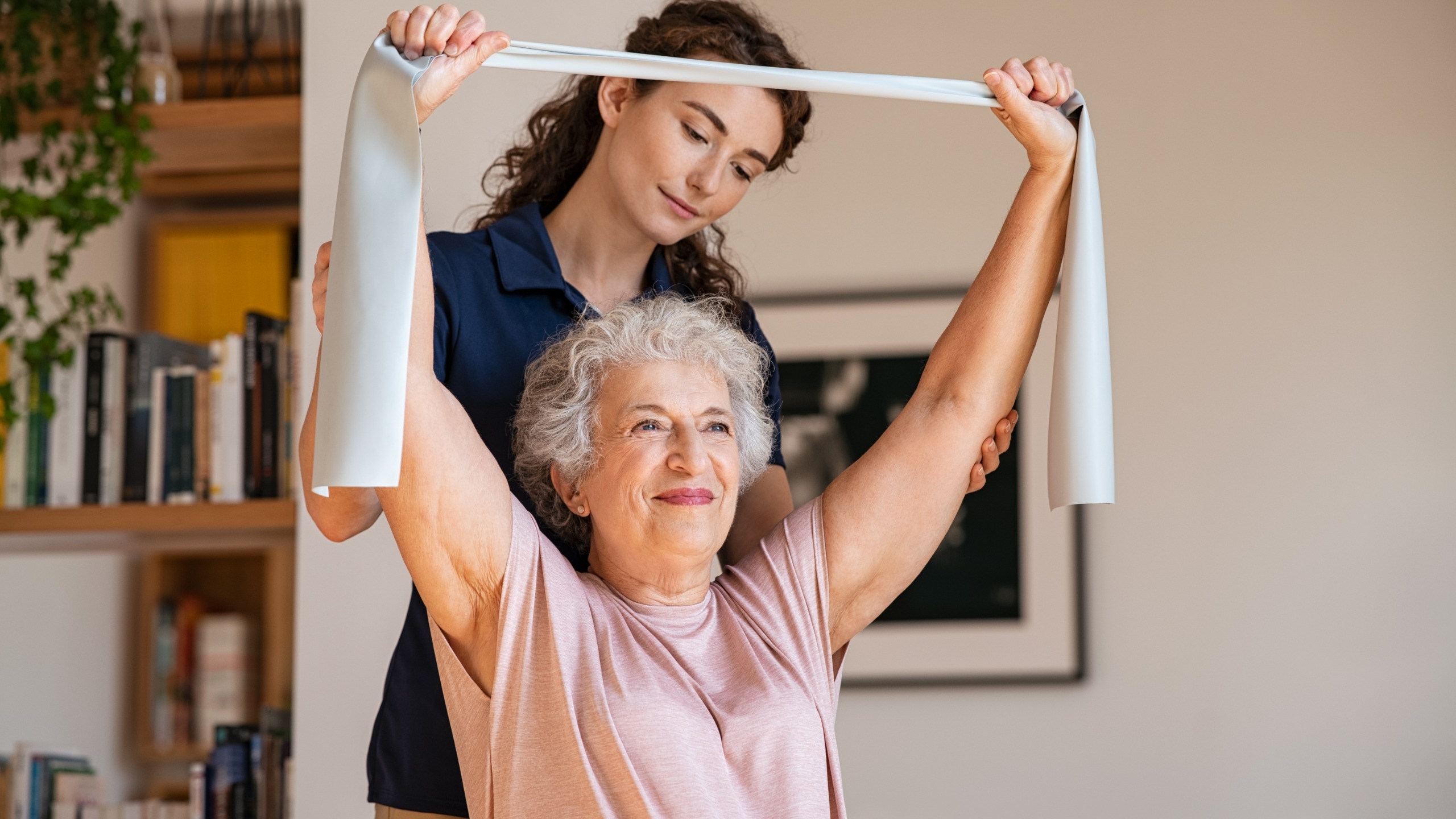
- Resistance bands exercises
- Light weight lifting
- Bodyweight exercises like wall push-ups
- Functional movements such as sit-to-stand exercises
Flexibility and balance
- Gentle stretching routines
- Tai chi or modified yoga
- Balance exercises using chairs or rails
- Range of motion activities
Start with low-intensity activities and gradually increase duration and complexity based on progress and comfort levels.
Create Safe Exercise Environments
Safety should be the top priority when designing exercise spaces and programs for seniors. Essential safety measures include:
- Clear pathways – Remove tripping hazards and ensure adequate lighting.
- Supportive equipment – Provide sturdy chairs, handrails, and nonslip mats.
- Emergency protocols – Keep first aid supplies accessible and staff trained in emergency response.
- Proper supervision – Maintain appropriate staff-to-participant ratios during activities.
- Hydration stations – Ensure water is readily available throughout exercise sessions.
Consider the unique needs of seniors with mobility aids like walkers or wheelchairs when setting up exercise areas.
Oshkosh home care experts are available to provide high-quality care to seniors on an as-needed basis. From assistance with mobility and exercise to providing transportation to the doctor’s office and social events, there are a variety of ways professional caregivers can help your aging loved one continue to live independently.
Develop Structured Weekly Schedules
Consistency is key to successful senior exercise programs. Create weekly schedules that balance different types of activities while allowing for rest and recovery:
Sample weekly structure:
- Monday/Wednesday/Friday – 30-minute cardio sessions
- Tuesday/Thursday – Strength training (20–30 minutes)
- Daily – 10–15 minutes of flexibility exercises
- Weekends – Social activities like group walks or dance sessions
Allow flexibility in scheduling to accommodate medical appointments, varying energy levels, and personal preferences. Some seniors may prefer morning activities, while others perform better in the afternoon.
Seniors who experience sundowning due to dementia are likely to benefit most from exercising in the morning. Caring for seniors with dementia can be challenging for family caregivers. Luckily, there is dementia care Oshkosh families can rely on. Professional dementia caregivers help seniors with dementia stay safe and comfortable at home by preventing wandering, providing cognitive stimulation, and assisting with household chores.
Monitor Progress and Adapt Programs
Regular evaluation ensures exercise programs remain effective and safe as your loved one’s needs change over time. Track progress through:
- Functional assessments – Monitor advances in daily activities like climbing stairs or carrying groceries.
- Health metrics – Record changes in blood pressure, heart rate, and medication needs (with medical supervision).
- Participant feedback – Gather input on enjoyment levels, perceived difficulty, and preference changes.
- Attendance tracking – Identify patterns that might indicate program adjustments are needed.
Be prepared to modify exercises as health conditions evolve or new limitations arise. The goal is maintaining long-term engagement while preserving safety and enjoyment.
Aging adults who need help following exercise programs should consider professional home care services. If your elderly loved one needs Oshkosh live-in care, turn to Senior Stride Home Care. Our caregivers encourage seniors to focus on eating nutritious foods, exercising on a regular basis, maintaining strong social ties, and other lifestyle factors known to increase longevity. To create a customized in-home care plan for your loved one, call us today.