What Are the Best Ways to Keep Seniors Receiving Home Care Engaged and Active?

Keeping seniors engaged while receiving home care typically involves combining light physical activity, mental stimulation, social interaction, and creative hobbies. Consistent routines that include exercise, games, technology-based communication, and nature-inspired activities can help older adults maintain cognitive health, emotional wellbeing, and overall quality of life.

Staying active isn’t just about moving the body. It’s essential for maintaining emotional balance and cognitive sharpness in our later years. While staying at home might seem limiting, there are countless opportunities to create a vibrant and engaging lifestyle right from the living room.

Why Is Low-Impact Exercise Important for Seniors Receiving Home Care?

Physical health is the foundation of overall wellbeing. For seniors, the goal isn’t high-intensity training but consistent low-impact movement that maintains mobility and balance. Even within the confines of a home, there are safe ways to keep muscles engaged and joints flexible.

Encourage a daily routine that includes simple movements tailored to your loved one’s current ability levels. Regular movement releases endorphins, which can combat feelings of isolation or depression often associated with being housebound. Consider these accessible options:

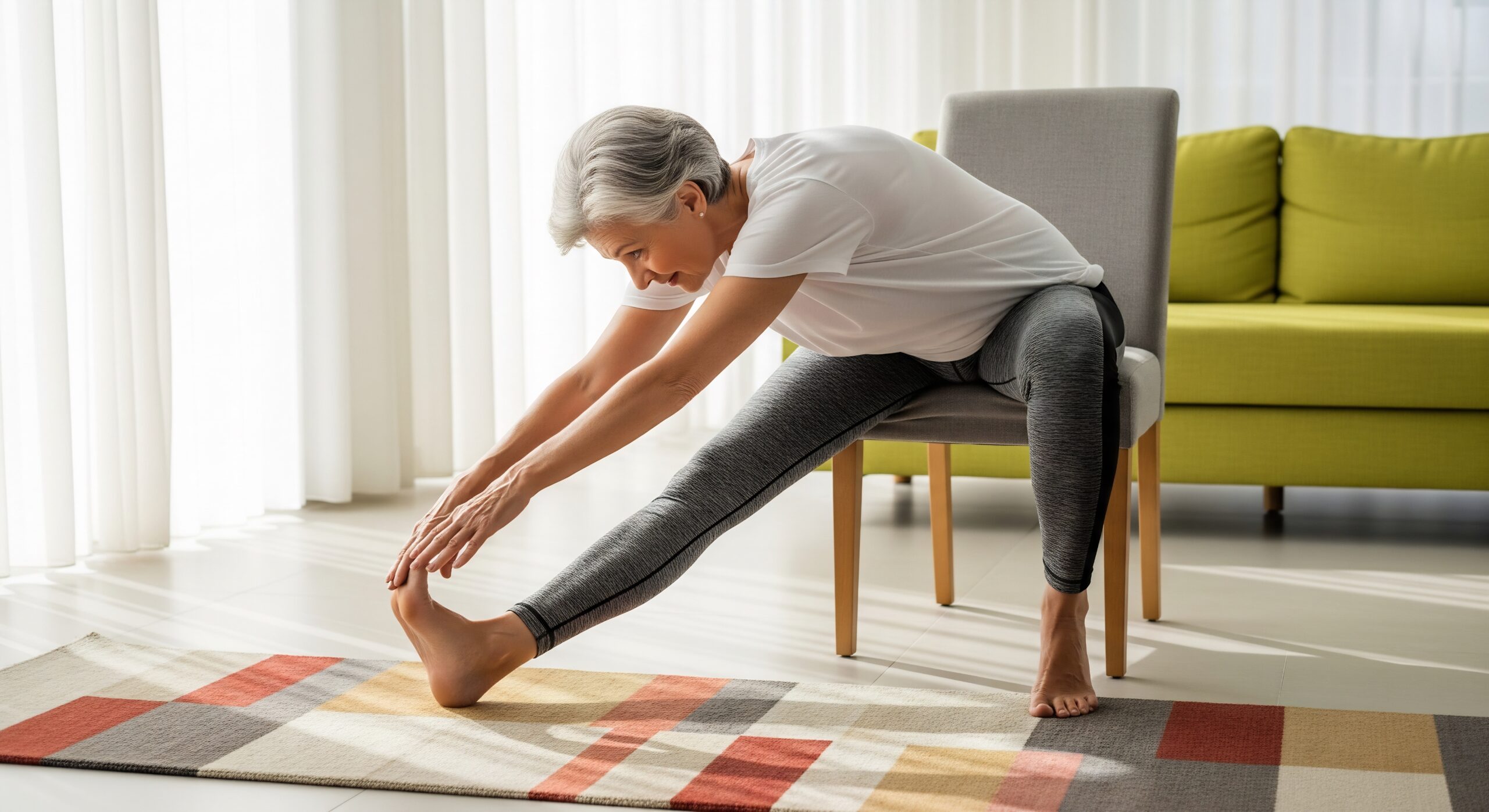
  • Chair yoga – This modifies traditional yoga poses so they can be done while seated, reducing the risk of falls while increasing flexibility.
  • Indoor walking – If space allows, walking laps around the house or marching in place during television commercials can add up to significant activity.
  • Stretching routines – Gentle stretching in the morning can reduce stiffness and increase circulation for the rest of the day.

How Do Cognitive Games Keep Seniors Mentally Stimulated?

Mental exercise is just as vital as physical activity. Keeping the brain challenged can preserve memory, enhance concentration, and delay cognitive decline. The key is to find activities that are enjoyable rather than frustrating.

Games and puzzles are excellent tools for this because they require focus and problem-solving skills. They also provide a sense of accomplishment upon completion. Try incorporating these brain-boosters:

  • Puzzles – Jigsaw puzzles work on short-term memory and visual-spatial reasoning.
  • Word games – Crosswords, word searches, and Sudoku are classic ways to keep the mind sharp.
  • Reading – Whether it’s a physical book, an e-reader, or an audiobook, following a narrative requires sustained attention and imagination.

Mental stimulation is especially important for seniors who are living with cognitive decline due to age-related conditions such as Alzheimer’s or dementia. If your senior loved one needs professional Oshkosh dementia care, caregivers are available around the clock to provide the high-quality care he or she needs. Our dementia caregivers can help your loved one stay mentally engaged and delay the progression of the disease.

How Can Technology Help Seniors Stay Socially Connected at Home?

Social isolation is a significant risk for seniors staying at home. Fortunately, modern technology bridges the gap, allowing for face-to-face interaction without leaving the house. Maintaining social bonds is crucial for emotional health and helps seniors feel part of a community.

While technology can be intimidating for some, simple tablets and user-friendly apps make it easier than ever to connect. Regular scheduled calls provide something to look forward to.

  • Video calls – Platforms like FaceTime or Zoom allow seniors to see grandchildren and friends, making conversations feel more personal than a phone call.
  • Virtual clubs – Many libraries and community centers offer virtual book clubs or discussion groups specifically for seniors.
  • Online classes – Learning something new, like a language or a history topic via YouTube or educational sites, connects them with a wider world of ideas.

Some seniors only require help with a few daily tasks so they can maintain their independence. However, those living with serious illnesses may need more extensive assistance. If your loved one needs Oshkosh 24-hour care, turn to Senior Stride Home Care. Our caregivers encourage seniors to focus on eating nutritious foods, exercising on a regular basis, maintaining strong social ties, and other lifestyle factors known to increase longevity.

Why Does Creative Expression Benefit Seniors Receiving Home Care?

Creativity provides an emotional outlet and a way to express feelings nonverbally. Engaging in arts and crafts can enhance dexterity and fine motor skills while reducing stress levels. It transforms passive time into productive, meaningful time.

The focus should be on the process of creating rather than the final result. Revisiting past hobbies or trying new low-pressure artistic endeavors can be incredibly rewarding.

  • Painting or coloring – Adult coloring books are relaxing and require focus, while watercolor painting is a gentle way to experiment with color.
  • Music – Listening to favorite songs from the past can trigger positive memories, and singing along is a natural mood booster.
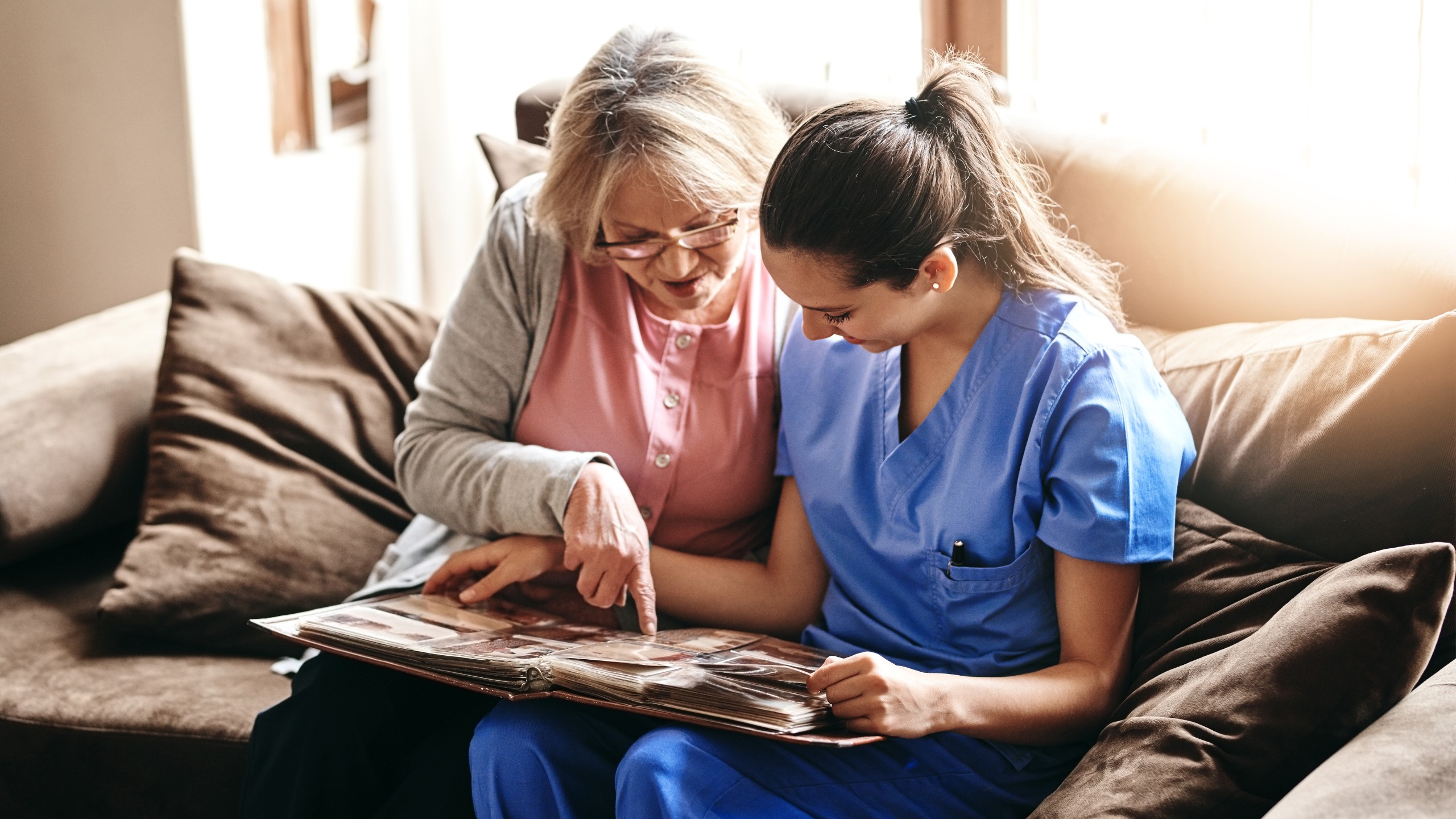
  • Scrapbooking – Organizing old family photos into albums stimulates memory and preserves family history.

How Can Bringing Nature Indoors Enhance Seniors’ Wellbeing?

Connecting with nature has a calming effect on the nervous system. For seniors who cannot easily go outside, bringing elements of the outdoors inside can boost mood and improve air quality. Caring for living things provides a sense of purpose and routine.

Gardening activities can be adapted to be manageable and mess free. The responsibility of watering and tending to plants gives structure to the day.

  • Windowsill gardens – Growing herbs or small succulents requires minimal space and effort.
  • Bird watching – Setting up a bird feeder near a window provides hours of entertainment and a connection to the local environment.
  • Fresh flowers – Simply arranging fresh flowers can brighten a room and provide sensory stimulation through scent and touch.

Not every senior has the same care needs, which means they don’t all need the same type of Oshkosh at-home care. Families can rely on Senior Stride Home Care to provide individualized care plans to meet their elderly loved ones’ unique care needs. Our caregivers help seniors focus on healthy lifestyle habits such as eating nutritious foods, exercising regularly, and maintaining strong social ties, and we offer mentally stimulating activities that can boost cognitive health and delay the onset of dementia. To create a comprehensive in-home care plan for your loved one, call us today.

Frequently Asked Questions

How can home care services help seniors stay active?
+

Caregivers encourage physical activities like walking, stretching, or light exercises tailored to the senior’s abilities and preferences.

What types of activities are suitable for seniors?
+

Activities may include gardening, chair yoga, arts and crafts, or social outings, depending on the individual’s interests and mobility.

Can home care services provide companionship during activities?
+

Yes, caregivers can participate in and support seniors during activities to make them more enjoyable and engaging.

How do caregivers ensure activities are safe for seniors?
+

Caregivers assess the senior’s abilities and provide supervision or assistance to prevent injuries during activities.

Can home care services help seniors try new hobbies?
+

Absolutely. Caregivers can introduce and support new hobbies that align with the senior’s interests and capabilities.

Related Posts

Why Is Home Care Effective for Keeping Older Adults Active & Socially Engaged?

As we age, maintaining a vibrant lifestyle becomes essential for physical health and emotional wellbeing, yet mobility issues or cognitive decline can make this challenging. In-home care professionals bridge this gap by providing the necessary support to help seniors maintain their independence while staying physically and mentally stimulated.

Personalized Physical Activity Support

One of the primary benefits of in-home care is the facilitation of safe, consistent physical movement. Seniors often reduce their physical activity due to a fear of falling or a lack of motivation, which can lead to muscle atrophy and decreased mobility. Professional caregivers act as both safety nets and coaches, encouraging seniors to move their bodies in ways that are appropriate for their health status.

Caregivers can assist with physician-prescribed physical therapy exercises to ensure they’re done correctly and safely. Beyond formal exercise, they incorporate movement into daily routines. This might look like:

  • Going for short assisted walks around the neighborhood to get fresh air
  • Practicing gentle chair yoga or stretching to increase flexibility
  • Working on balance exercises to reduce fall risks
  • Assisting with light gardening or household tasks that require movement

By having companions present, seniors feel more confident in their ability to move, knowing help is right there if they lose their balance.

Cognitive Stimulation and Mental Engagement

Keeping the mind sharp is just as important as keeping the body moving. Isolation and a lack of mental challenges can accelerate cognitive decline, but in-home care providers are trained to keep their clients mentally engaged. They provide the social interaction and intellectual stimulation that might be missing if a senior lives alone.

Caregivers can tailor activities to the senior’s interests and cognitive abilities. For someone who loves words, a caregiver might engage the individual in daily crossword puzzles or Scrabble games. For those who enjoy history, they might read aloud from biographies or discuss current events. Other engaging activities include:

  • Looking through photo albums to spark memory and storytelling
  • Listening to music or singing favorite songs to boost mood and memory
  • Engaging in arts and crafts, such as painting or knitting
  • Cooking simple recipes together to follow steps and measure ingredients

These activities do more than pass the time. They provide a sense of purpose and achievement, which is vital for mental health.

Mental stimulation is especially important for seniors who are living with cognitive decline due to age-related conditions such as Alzheimer’s or dementia. If your senior loved one needs professional Oshkosh dementia care, caregivers are available around the clock to provide the high-quality care he or she needs. Our dementia caregivers can help your loved one stay mentally engaged and delay the progression of the disease.

Combating Loneliness through Companionship

Social isolation is a significant health risk for the elderly, often linked to higher rates of depression and heart disease. Family members cannot always be present due to work and personal obligations, leaving gaps where a senior might go days without meaningful conversation. In-home care addresses this directly by providing consistent, reliable companionship.

The relationship between a caregiver and a client often evolves into a genuine friendship. A caregiver provides a listening ear for stories about the past and a partner for daily activities. This consistent social connection helps seniors feel valued and connected to the world around them. Whether it’s sharing a cup of tea, watching a favorite TV show together, or simply having someone to say “Good morning” to, this human connection is a powerful tool for keeping spirits high and minds active.

For families living in Northeast Wisconsin, Oshkosh respite care can be a wonderful solution when their aging loved ones need companionship and socialization a few hours a week or just need minor assistance with daily household tasks. At Senior Stride Home Care, we thrive on helping seniors maintain their independence while living in the comfort of home.

Facilitating Social Outings and Community Connection

Staying active isn’t just about what happens inside the house. It’s also about remaining part of the community. Many seniors give up driving due to vision or reflex issues, which effectively traps them in their homes. This loss of independence can be devastating to their social lives.

In-home caregivers solve this logistical hurdle by providing safe transportation and accompaniment. They can drive seniors to:

  • Local senior centers for bingo or social mixers
  • Religious services or community group meetings
  • Lunch dates with friends or family members
  • Hair salon or barber appointments
  • Grocery stores or shopping malls

Having a caregiver to handle the driving and parking and to offer an arm for stability while walking removes the stress from these outings. This allows seniors to focus on the enjoyment of the activity rather than the anxiety of logistics, encouraging them to leave the house more frequently.

Nutritional Support for Sustained Energy

To stay active, the body needs proper fuel, but cooking nutritious meals can become a chore for older adults. Issues like arthritis can make chopping vegetables painful, and standing by a stove may be tiring. Consequently, many seniors resort to processed foods or skipping meals, which leads to low energy and poor health.

In-home care providers ensure seniors maintain a healthy diet that supports an active lifestyle. They can handle grocery shopping to ensure the fridge is stocked with fresh ingredients and prepare wholesome meals tailored to the senior’s dietary needs. Furthermore, the act of eating with companions often encourages seniors to eat better and more regularly than they would alone, providing the energy they need to participate in the activities they enjoy.

Not every senior has the same care needs, which means they don’t all need the same type of Oshkosh elderly home care. Families can rely on Senior Stride Home Care to provide individualized care plans to meet their elderly loved ones’ unique care needs. Our caregivers help seniors focus on healthy lifestyle habits such as eating nutritious foods, exercising regularly, and maintaining strong social ties, and we offer mentally stimulating activities that can boost cognitive health and delay the onset of dementia. To create a comprehensive in-home care plan for your loved one, call us today.

Related Posts

How Can You Encourage an Aging Loved One to Accept Home Care?

It can be challenging when a senior loved one needs more support than you can provide but resists the idea of in-home care. This conversation is often emotional, but with patience and the right approach, you can help your loved one see the benefits and accept the help he or she needs.

Find the Root of the Resistance

Before you can address your loved one’s concerns, you need to understand them. Resistance often stems from specific fears or misconceptions. Is your loved one worried about losing independence? Does your loved one fear having a stranger in the home? Is there concern about the cost?

Sit down together in a comfortable setting and ask open-ended questions to encourage your loved one to share his or her feelings. You could say something like “I’ve noticed you’re hesitant about getting some help at home. Can you tell me what’s on your mind?” Listen actively without interrupting, and validate your loved one’s feelings to show you respect his or her perspective.

Frame It as a Way to Maintain Independence

Many seniors fear accepting help is the first step toward losing their autonomy and eventually moving into a nursing home. It’s important to frame in-home care as a tool that can help your loved one maintain independence for longer.

Explain that a caregiver can assist with difficult tasks like housekeeping, meal preparation, or medication reminders, which will free up energy to focus on the activities your loved one enjoys. In-home care can make the home safer by reducing the risk of falls or other accidents, allowing your loved one to continue living where he or she is most comfortable.

Living independently is important for seniors who want to maintain a high quality of life. For some, this simply means receiving help with tasks that have become more challenging to manage over time. Even when families have the best intentions, they may not have the time to provide the care their elderly loved ones need and deserve. If your loved one needs help for a few hours a day or a few days a week, reach out to Senior Stride Home Care, a trusted provider of respite care Oshkosh seniors can depend on.

Involve Your Loved One in the Decision-Making Process

Giving your loved one a sense of control can significantly reduce resistance. Instead of presenting a final decision, involve your loved one in every step of the process.

Here are a few ways to do this:

  • Research together – Look at different home care agencies online and review their services.
  • Create a list of needs – Work together to identify the specific tasks where assistance would be most helpful.
  • Interview caregivers – Allow your loved one to be part of the interview process to choose a caregiver he or she feels comfortable with.

When they feel like active participants rather than passive recipients of care, seniors are more likely to be open to the idea.

Aging in place can present a few unique challenges for older adults. Some only require part-time assistance with exercise or meal preparation, while others are living with serious illnesses and benefit more significantly from receiving live-in care in Oshkosh. Senior Stride Home Care are leaders in the elderly in-home care industry for good reason. We tailor our care plans based on each senior’s individual needs, our caregivers continue to receive updated training in senior care as new developments arise, and we also offer comprehensive care for seniors with Alzheimer’s, dementia, and Parkinson’s.

Start Small and Be Patient

If your loved one is still hesitant, suggest starting with a trial period or with minimal assistance. For example, you could arrange for a caregiver to come for just a few hours a week to help with light housekeeping or provide companionship.

This gradual approach allows your loved one to build a relationship with the caregiver and experience the benefits firsthand without feeling overwhelmed. Over time, as your loved one becomes more comfortable, you can gradually increase the level of care as needed. Remember this is a significant change, and patience is key to a successful transition.

The type of home care Oshkosh seniors need can vary. Some need assistance a few hours a day, while others require more extensive around-the-clock assistance. At Senior Stride Home Care, we tailor our care plans based on each senior’s individual care needs, and the plans can be adjusted at any time. We are a trusted provider of respite and 24-hour care, and we also offer specialized Alzheimer’s, dementia, Parkinson’s, and stroke care for seniors. If you need professional home care for your loved one, our Care Managers are just a phone call away. Reach out to Senior Stride Home Care today.

Related Posts

Aging in Place vs Assisted Living: Choosing the Right Fit for Your Loved One

When considering how to best support senior loved ones in their golden years, it often comes down to two primary options: aging in place or moving to an assisted living facility. Both options have unique advantages that cater to individual needs, preferences, and lifestyles. Understanding their benefits can help families make an informed decision.

Independence and Familiarity of Aging in Place

Aging in place allows seniors to remain in their own homes surrounded by familiar environments, routines, and cherished memories. This option provides a strong sense of independence, which is often crucial for maintaining emotional wellbeing. Seniors who age in place have the freedom to make daily decisions, stick to personal schedules, and enjoy their preferred activities without external restrictions.

Additionally, being in a well-known environment can reduce anxiety and stress. For seniors who value the comfort of familiarity, staying at home can provide significant stability and peace of mind. Simple modifications, such as installing grab bars or stair lifts, combined with support from home care services, make aging in place a viable and safe solution.

Many seniors prefer aging in place over moving to assisted living facilities. If your senior loved one needs assistance to remain safe and comfortable while living at home, reach out to Senior Stride Home Care, a leading in-home care agency. Our dedicated in-home caregivers can assist with meal prep, bathing and grooming, exercise, medication reminders, and many other important tasks.

Social Opportunities and Support in Assisted Living

On the other hand, assisted living facilities offer a built-in community, which can be an important factor for seniors who may feel isolated at home. These communities are designed to encourage socialization through shared dining areas, group activities, and events tailored to residents’ interests. Whether it’s participating in movie nights, fitness classes, or art workshops, seniors can stay active and engaged.

Assisted living facilities also provide 24/7 access to professional staff who can help with daily tasks like bathing, dressing, and medication organization. This support ensures seniors receive the care they need without burdening family members.

Health and Safety Considerations

One significant factor when choosing between these options is health and safety. For seniors with minimal health concerns or those capable of managing their day-to-day lives, aging in place can be a desirable choice. Home caregivers can step in for additional support if needed, ensuring care is personalized and adaptable.

However, for those with chronic health conditions or mobility limitations, assisted living facilities offer the reassurance of a supervised and monitored environment. Residents have access to on-site medical care, staff trained in emergency response, and health-focused programs, all contributing to a safer living arrangement.

The type of home care Oshkosh seniors need can vary. Some need assistance a few hours a day, while others require more extensive around-the-clock assistance. At Senior Stride Home Care, we tailor our care plans based on each senior’s individual care needs, and the plans can be adjusted at any time. We are a trusted provider of respite and 24-hour care, and we also offer specialized Alzheimer’s, dementia, Parkinson’s, and stroke care for seniors.

Cost Comparison and Financial Planning

Costs play a significant role in deciding between aging in place and assisted living. Aging in place may initially seem more affordable, as it eliminates monthly facility fees. However, the cumulative expenses of home modifications, in-home care services, and ongoing maintenance may add up over time. Families should consider these factors alongside their budgets when evaluating this option.

Assisted living offers an all-in-one package that includes housing, meals, utilities, and care services. While it might appear more expensive up front, the comprehensive nature of these facilities can simplify financial planning. Families should also explore subsidies, insurance coverage, and community programs that may offset costs.

Emotional Wellbeing and Personal Preferences

Ultimately, the choice between aging in place and assisted living comes down to your loved one’s personal preferences. Aging in place offers the comfort of staying in a beloved space, while assisted living opens up opportunities for new friendships and structured care. Both options present pathways to emotional wellbeing. The key is aligning the decision with your loved one’s values and lifestyle.

Engaging seniors in the decision-making process ensures they feel respected and empowered at an important stage of their lives. By thoughtfully weighing the benefits of each option, families can pave the way for a living arrangement that promotes happiness, health, and peace of mind.

Living independently is important for seniors who want to maintain a high quality of life. For some, this simply means receiving help with tasks that have become more challenging to manage over time. Even when families have the best intentions, they may not have the time to provide the care their elderly loved ones need and deserve. If your loved one needs help for a few hours a day or a few days a week, reach out to Senior Stride Home Care, a trusted provider of respite care Oshkosh seniors can depend on. We will work with you to create a customized home care plan that’s suited for your loved one’s unique needs. Call the Senior Stride Home Care team today.

Related Posts

How Aromatherapy Benefits Older Adults in At-Home Care

Aromatherapy has been practiced for centuries and remains a popular complementary therapy today, particularly in addressing health and wellness concerns. For seniors receiving in-home care, aromatherapy can offer significant benefits by enhancing their mental, emotional, and physical wellbeing. Here’s a closer look at how incorporating aromatherapy into in-home care routines can positively impact aging adults.

What Is Aromatherapy & How Does It Work?

Aromatherapy is a holistic healing practice that uses essential oils extracted from plants to promote health and wellbeing. These oils are administered through inhalation or topical application, engaging the olfactory system and skin to deliver their therapeutic properties. For seniors, it can address a variety of concerns, including anxiety, chronic pain, and sleep disturbances.

Family caregivers can incorporate aromatherapy into daily care routines by diffusing oils in living spaces, adding them to bathwater, or mixing them with massage oils. The versatility of this therapy makes it an accessible option for seniors in in-home care settings.

If your elderly loved one needs help maintaining a high quality of life while aging in place, reach out to Senior Stride Home Care, a trusted provider of elderly home care. Our caregivers provide transportation to and from medical appointments and social events, nutritious meal preparation, assistance with daily exercise, and help with everyday tasks like bathing, grooming, and light housekeeping.

Aromatherapy for Reducing Stress & Anxiety

Anxiety and stress are common in seniors, often stemming from health issues, loneliness, or significant life changes. Aromatherapy has shown promise in reducing feelings of tension and promoting relaxation. Essential oils such as lavender, chamomile, and bergamot are particularly effective for calming nerves and soothing the mind.

Diffusers can be used to spread calming aromas in a senior’s living space, creating a serene atmosphere conducive to relaxation. Simple rituals like inhaling lavender oil before bedtime or receiving a gentle massage with chamomile-infused oil can make a meaningful difference in a senior’s emotional health.

Supporting Sleep Quality through Essential Oils

Many seniors experience sleep problems, such as insomnia or difficulty maintaining restful sleep. Poor sleep can affect their overall health, exacerbating chronic conditions and reducing cognitive function. Aromatherapy offers a natural solution to promote better sleep.

Lavender is a widely known essential oil for its sleep-enhancing properties. Studies have demonstrated its ability to enhance sleep quality and duration. Seniors can benefit from adding a few drops of lavender essential oil to their pillows or diffusers before bed. Additionally, blends containing sandalwood or cedarwood can further encourage relaxation and deeper sleep.

Pain Management & Physical Comfort

Chronic pain is a common issue among seniors, often linked to conditions such as arthritis, neuropathy, or past injuries. Aromatherapy can complement traditional pain management strategies by providing relief through topical application or inhalation of specific essential oils.

Oils such as peppermint, eucalyptus, and ginger are known for their anti-inflammatory and analgesic properties. For instance, a warm compress infused with eucalyptus oil can ease joint pain, while peppermint oil applied with a carrier oil can provide relief for headaches or muscle aches.

This natural approach to pain relief can be particularly appealing to seniors who may wish to reduce reliance on pharmaceutical pain medications.

Enhanced Cognitive Function & Memory

Cognitive decline can be a challenging aspect of aging, especially for those facing conditions like dementia or Alzheimer’s. Certain essential oils have been found to support memory and mental clarity, providing a potential boost for seniors living with cognitive issues.

Rosemary and lemon essential oils are frequently used for their stimulating effects on the brain. Aromatherapy sessions, where these oils are gently diffused or inhaled, can help seniors maintain focus and boost memory recall. Aromatherapy may even support emotional wellbeing by reducing agitation and promoting a greater sense of calm, which is particularly beneficial for seniors with dementia.

Aging in place can present a few challenges for seniors living with dementia. However, they can still live independently at home with the help of professional dementia care. Oshkosh families can rely on Senior Stride Home Care to provide their elderly loved ones with mental and social stimulation, timely medication reminders, assistance with meal prep, and much more. Our caregivers are available around the clock to help your loved one live a happier and healthier life.

Building Emotional Connections

For many seniors, in-home care can sometimes feel isolating despite the presence of caregivers. Incorporating aromatherapy into care routines can foster deeper emotional connections between caregivers and seniors. Practices such as a soothing hand massage with essential oils or shared moments of inhalation therapy create opportunities to build trust, comfort, and companionship.

Personalized aromatherapy sessions allow caregivers to consider a senior’s preferences, making the experience more enjoyable and engaging. This can positively impact a senior’s overall sense of wellbeing, strengthening the bond between the senior and the caregiver.

If your senior loved one needs help managing an illness or assistance with daily tasks, make sure you choose a top-rated provider of at-home care. Oshkosh Senior Stride Home Care is here to help your loved one live a happier and healthier life in the golden years. Call one of our friendly Care Managers to learn about ways our experienced caregivers can help your loved one.

Related Posts

How Technology Is Transforming Modern Caregiving

Caring for senior loved ones has always been a deeply personal commitment, but the introduction of technology is revolutionizing how we approach caregiving. From streamlining daily tasks to enhancing wellbeing, technology is making it easier than ever to provide effective and compassionate care. 

Remote Patient Monitoring

One of the most impactful advancements in caregiving technology is remote patient monitoring (RPM). Using devices such as wearable sensors, smartwatches, and connected medical equipment, caregivers can track their loved ones’ vital signs and health metrics in real time. For example, RPM can monitor heart rate, blood pressure, glucose levels, and sleep patterns. 

This technology significantly reduces the need for frequent in-person visits to healthcare providers, allowing caregivers and medical professionals to detect potential issues early and intervene, ultimately enhancing patient outcomes. For those caring for individuals with chronic illnesses or elderly family members, RPM offers not only convenience but also peace of mind. 

If your senior loved one needs help managing an illness or assistance with daily tasks, make sure you choose a top-rated provider of senior home care. Senior Stride Home Care is here to help your loved one live a happier and healthier life in the golden years. 

Enhancing Communication & Accessibility

Technology has bridged the gap between caregivers, seniors, and medical professionals by enhancing communication. Apps such as CareZone and Caregiver Connect provide platforms for families, nurses, and doctors to share schedules, organize tasks, and communicate in one central location. 

Video conferencing tools like Zoom or telehealth platforms enable caregivers to consult with medical professionals without needing to leave the comfort of home. This is particularly valuable for those in remote or underserved areas where access to healthcare is limited. These tools ensure timely medical advice and offer emotional support for caregivers managing the challenging aspects of patient care. 

Medication Organization

Organizing medications for loved ones can be a complex and daunting task. Technology has stepped in to streamline this responsibility through medication organization apps and smart pill dispensers. 

Apps like Medisafe offer reminders and track whether medications have been taken, reducing the risk of missed doses. Meanwhile, automated pill dispensers provide controlled access to medications, ensuring accurate dosages at the right times. These tools not only enhance the safety of caregiving but also reduce the mental burden on caregivers juggling multiple responsibilities. 

In Oshkosh, elder care providers can benefit aging adults in a variety of ways. From cooking nutritious meals to offering timely medication reminders, the dedicated caregivers at Senior Stride Home Care are available to help your elderly loved one 24 hours a day, 7 days a week.

Mobility & Smart Assistive Devices

For individuals with mobility challenges or disabilities, smart assistive devices have been a game-changer. Innovations such as stair lifts, electric wheelchairs, and robotic exoskeletons enable seniors to regain a sense of independence. 

Smart home technology is another breakthrough, with devices like voice-controlled assistants, automated lighting, and fall-detection systems tailored for caregiving needs. These advancements empower caregivers to create safe and accessible environments that meet their loved ones’ unique needs. 

Emotional Wellbeing & Caregiver Support

Caregiving can be physically and emotionally demanding, making caregiver support a critical area where technology plays a role. Apps and online platforms dedicated to caregiver mental health, such as BetterHelp and Talkspace, offer mental health resources and counseling services from licensed professionals. 

AI-powered tools are also supporting emotional wellbeing. For instance, robotic pets like Joy for All Comfort Pets provide companionship and comfort for seniors with dementia or Alzheimer’s, reducing feelings of loneliness. These innovative approaches address not only the physical but also the emotional needs of both caregivers and seniors. 

Living independently is important for seniors who want to maintain a high quality of life. For some, this simply means receiving help with tasks that have become more challenging to manage over time. Even when families have the best intentions, they may not have the time to provide the care their elderly loved ones need and deserve. If your loved one needs help for a few hours a day or a few days a week, reach out to Senior Stride Home Care, a trusted provider of respite care Oshkosh seniors can depend on. To learn about our high-quality in-home care options, give us a call today.

Related Posts

How In-Home Care Enhances Aging Adults’ Quality of Life

Aging presents unique challenges, but the desire to maintain independence and comfort often remains a priority for seniors. In-home care services provide a solution that addresses these needs while boosting overall wellbeing. Here’s how in-home care can enhance quality of life for seniors and their families.

Personalized Care Tailored to Individual Needs

One of the most significant advantages of in-home care is that it’s customized to meet the specific needs of each senior. Unlike one-size-fits-all solutions found in some nursing homes or assisted living facilities, in-home caregivers work closely with seniors and their families to develop care plans that cater to unique preferences, medical conditions, and daily routines.

Examples of personalized care include:

  • Assisting with medication reminders
  • Helping with activities of daily living (ADLs) like dressing, bathing, and grooming
  • Preparing meals based on dietary restrictions and preferences

This tailored approach ensures seniors receive the care they need without sacrificing their comfort or dignity.

The type of in-home care seniors need can vary. Some need assistance a few hours a day, while others require more extensive around-the-clock assistance. At Senior Stride Home Care, we tailor our care plans based on each senior’s individual care needs, and the plans can be adjusted at any time.

Safety & Security in a Familiar Environment

Staying in their own homes allows seniors to enjoy the comfort of familiar environments, which can be especially important for those with cognitive challenges like dementia. Familiar surroundings reduce confusion and stress, creating a sense of stability and security.

Additionally, in-home caregivers can identify and minimize hazards in the home, such as loose rugs, poor lighting, or cluttered walkways. By addressing these concerns, caregivers can significantly reduce the risk of falls and other accidents, allowing seniors to age in place safely.

Aging in place can present a few unique challenges for older adults. Some only require part-time assistance with exercise or meal preparation, while others are living with serious illnesses and benefit more significantly from receiving live-in care. Oshkosh, WI, Senior Stride Home Care are leaders in the elderly in-home care industry for good reason. We tailor our care plans based on each senior’s individual needs, our caregivers continue to receive updated training in senior care as new developments arise, and we also offer comprehensive care for seniors with Alzheimer’s, dementia, and Parkinson’s.

Companionship to Combat Loneliness

Social isolation and loneliness are common challenges many seniors face, particularly those who live alone. These feelings can negatively impact mental health and even physical health over time.

Professional in-home caregivers provide essential companionship that can make a huge difference. Whether it’s sharing a conversation over coffee, playing a favorite card game, or accompanying seniors on outings, these interactions foster emotional wellbeing and contribute to a more positive outlook on life. Some in-home care services even incorporate structured social activities or collaborative hobbies, allowing seniors to stay active and engaged while building meaningful connections with their caregivers.

Support for Families & Caregivers

Caring for an aging loved one can be rewarding, but it also comes with challenges such as stress, fatigue, and caregiver burnout. Enlisting the help of an in-home care provider relieves some of this pressure by sharing responsibilities with trained professionals.

This support allows family members to focus on their roles as loved ones rather than full-time caregivers. Whether it’s having peace of mind during work hours or simply enjoying uninterrupted quality time together, in-home care brings balance to families navigating elder care.

Encouraging Independence & Empowerment

Contrary to the misconception that care services diminish independence, in-home care is actually built on empowering seniors to maintain their autonomy. Caregivers respect individual capabilities, offering assistance only where it’s needed.

For example:

  • Providing mobility support without taking away a senior’s freedom to move around
  • Helping with cooking tasks while encouraging seniors to remain involved
  • Suggesting memory aids instead of enforcing strict reminders for daily activities

By fostering this sense of independence, seniors continue to feel confident and capable in their daily lives, which ultimately enhances their quality of life.

When considering senior care, Oshkosh, WI, families should make sure their senior loved ones have the resources they need to maintain their independence and remain healthy. Trusted in-home care professionals can assist seniors with daily tasks like cooking, bathing, and exercise, and they can also encourage them to focus on healthier lifestyle habits. Senior Stride Home Care can be your trusted partner when your loved one needs help with the challenges of aging. Call us today to learn about our high-quality in-home care services.

Related Posts

Enhancing Home Care through Cultural Sensitivity

Caregiving is more than providing physical support. It involves respecting and valuing the unique cultural backgrounds of each individual. Understanding cultural sensitivities enriches the caregiving experience and fosters trust between caregivers and those they care for. Below, we explore the importance, challenges, and practical strategies of cultural sensitivity in caregiving.

What Is Cultural Sensitivity?

Cultural sensitivity is the ability to recognize and respect cultural differences while avoiding stereotypes or assumptions. It involves understanding that every individual’s beliefs, traditions, and practices are shaped by their cultural background. These factors often influence their preferences for care, including communication styles, dietary needs, and end-of-life rituals. Caregivers who approach care with an open mind and a willingness to learn create an inclusive environment where seniors feel acknowledged and valued.

Seniors can face a variety of challenges as they age, many of which can be mitigated with the help of professional in-home caregivers who provide high-quality homecare. Trust Senior Stride Home Care to help your elderly loved one age in place safely and comfortably.

The Importance of Cultural Sensitivity in Caregiving

Cultural sensitivity plays a critical role in delivering holistic and effective care. Care recipients who feel their cultural identities are respected are more likely to communicate openly about their needs. For example, an elderly person may feel more comfortable discussing personal care preferences with a caregiver who respects his or her cultural norms. Additionally, culturally sensitive caregiving minimizes misunderstandings and builds trust and stronger relationships with clients.

Being culturally aware can also lead to better health outcomes. Miscommunication stemming from cultural differences can sometimes result in incorrect treatments or neglected needs. When caregivers take the time to learn about a client’s cultural background, they can tailor their approach to provide care that aligns with the person’s values and expectations.

Challenges in Culturally Sensitive Caregiving

Despite the benefits, implementing cultural sensitivity in caregiving comes with its own set of challenges. Caregivers often encounter language barriers, especially when caring for individuals who aren’t fluent in the same language. Misinterpretations can lead to significant misunderstandings about care or daily routines.

Cultural practices may also conflict with caregiving norms or institutional policies. For example, some cultures prefer family members to handle personal care tasks, while professional guidelines may suggest otherwise. These differences can create dilemmas for caregivers trying to balance respect for cultural values with adherence to standard practices.

Lastly, cultural sensitivity requires ongoing education and awareness, which not all caregivers may have received. Limited training can lead to unintentional biases or assumptions that affect the quality of care provided.

Approaches to Providing Culturally Sensitive Care

  • Educate yourself

Understanding cultural differences is the first step toward delivering culturally sensitive care. Attend workshops, take courses, or read about the cultural norms and customs of the populations they serve. This foundational knowledge can help you anticipate and respect individual preferences.

  • Listen actively and communicate openly

Caregivers must engage in active listening, allowing the care recipient or his or her family to explain their cultural needs and practices. Asking open-ended questions and showing genuine interest in the senior’s culture fosters mutual respect and understanding.

  • Adapt care practices

Whenever possible, caregivers can adapt their approach to honor cultural traditions. For instance, if a client follows specific dietary restrictions due to religious beliefs, caregivers should accommodate these requirements while still meeting nutritional needs.

  • Utilize professional language services

For seniors who don’t share the caregiver’s primary language, interpreters or translation tools can eliminate barriers. These resources ensure both caregivers and care recipients fully understand each other, reducing the likelihood of miscommunication.

Aging in place can present a few unique challenges for older adults. Some only require part-time assistance with exercise or meal preparation, while others are living with serious illnesses and benefit more significantly from receiving live-in care. Oshkosh, WI, Senior Stride Home Care are leaders in the elderly in-home care industry for good reason. We tailor our care plans based on each senior’s individual needs, our caregivers continue to receive updated training in senior care as new developments arise, and we also offer comprehensive care for seniors with Alzheimer’s, dementia, and Parkinson’s.

The Role of Organizations in Promoting Cultural Sensitivity

Care organizations play a vital role in fostering an environment that values cultural diversity. By integrating cultural competency training into onboarding and continuing education programs, they can equip caregivers with the skills needed to handle diverse needs effectively. Additionally, organizations can establish clear protocols for addressing cultural conflicts or misunderstandings.

Promoting a culture of inclusion within caregiving teams is equally important. When caregivers work in diverse teams, they gain firsthand exposure to different cultures, which naturally enhances their sensitivity and adaptability.

Though you may be researching multiple agencies that provide senior home care, Oshkosh, WI, Senior Stride Home Care has much to offer your family and your elderly loved one. We are leaders in the senior home care industry, offering hourly and around-the-clock assistance from reliable, experienced caregivers. Trust Senior Stride Home Care to help your loved one enjoy a happier and healthier life in the golden years. Call us today to discuss how we can give you the peace of mind that comes from knowing your loved one is being cared for with professionalism and compassion.

Related Posts

How to Create a Daily Senior Home Care Routine that Benefits Everyone

Navigating the intricacies of senior home care can be challenging, but establishing a daily routine can help you create a stable environment that benefits both your family and your aging loved one. A well-structured routine can provide comfort and predictability, ensuring everyone’s needs and preferences are met. Here’s how to create a balanced and effective daily senior home care routine.

Understand Your Loved One’s Individual Needs

The first step in creating an effective care routine is understanding your loved one’s unique needs. This involves:

  • Health considerations – Take into account your loved one’s medical conditions, medications, mobility limitations, and dietary restrictions. Ensure the routine incorporates these health requirements to maintain your loved one’s wellbeing.
  • Personal preferences – Engage in open dialogue with your loved one to understand his or her personal likes and dislikes. Whether it’s a favorite morning activity or a preferred meal schedule, accommodating these preferences will make the routine more enjoyable.
  • Daily challenges – Identify any challenges your loved one faces in daily life, such as difficulty with certain tasks or times of day he or she finds more taxing. Tailor the routine to minimize these challenges and emphasize your loved one’s strengths.

If your elderly loved one needs help maintaining a high quality of life while aging in place, reach out to Senior Stride Home Care, a trusted provider of home care service. Our caregivers provide transportation to and from medical appointments and social events, nutritious meal preparation, assistance with daily exercise, and help with everyday tasks like bathing, grooming, and light housekeeping.

Structure the Day

A consistent daily structure can help you create a sense of normalcy and reduce anxiety. Consider the following elements when structuring the day:

  • Morning rituals – Start the day with regular morning activities, such as waking up at the same time, performing hygiene routines, and having breakfast. Morning stretches or light exercises can also be incorporated for physical activity.
  • Mealtimes – Consistent mealtimes not only support good nutrition but also provide a sense of stability. Plan meals around your loved one’s dietary requirements, and include snacks to maintain energy levels throughout the day.
  • Rest periods – Ensure there are designated rest periods to prevent fatigue. These can be short naps or simply quiet times for relaxation, reading, or listening to music.

Balance Activities & Rest

An effective routine balances activities with restorative periods to keep your loved one engaged and energized. Include:

  • Physical activities – Incorporate exercises tailored to your loved ones abilities, such as walking, chair exercises, or yoga. Physical activities increase strength, balance, and overall health.
  • Social interactions – Allocate time for social activities, whether it’s family visits, phone calls, or community events. Socializing combats loneliness and enhances emotional wellbeing.
  • Hobbies and interests – Make time for activities your loved one enjoys, such as gardening, puzzles, or crafts. Pursuing hobbies keeps the mind engaged and provides a sense of accomplishment.

Families who find it difficult to care for their aging loved ones without assistance can benefit greatly from professional respite care. Oshkosh, WI, family caregivers who need a break from their caregiving duties can turn to Senior Stride Home Care. Our caregivers can encourage your loved one to eat well, exercise regularly, get plenty of mental and social stimulation, and focus on other lifestyle factors that promote longevity.

Adapt to Changes

Flexibility is key, as needs and circumstances can change over time. Regularly reassess and adjust the routine to ensure it remains effective:

  • Health updates – Monitor your loved one’s health status and adapt the routine to accommodate any new medical advice or treatments.
  • Feedback and communication – Encourage feedback from your loved one and other caregivers to identify what’s working and what isn’t. Open communication ensures the routine continues to meet everyone’s needs.
  • Adjustments for wellbeing – Be ready to make changes to boost your loved one’s overall wellbeing, whether it’s adding new activities or allowing for more rest.

Involve Caregivers & Family

A collaborative approach ensures the routine works for everyone involved in the care process:

  • Sharing responsibilities – Delegate tasks among caregivers and family members to prevent burnout and ensure all aspects of care are covered.
  • Training and support – Provide training or resources to caregivers to equip them with the skills needed for effective care. Support networks and respite care options can also be beneficial.
  • Encouraging participation – Involve your loved one in his or her own care routine as much as possible, fostering independence and dignity.

The type of home care Oshkosh seniors need can vary. Some need assistance a few hours a day, while others require more extensive around-the-clock assistance. At Senior Stride Home Care, we tailor our care plans based on each senior’s individual care needs, and the plans can be adjusted at any time. We are a trusted provider of respite and 24-hour care, and we also offer specialized Alzheimer’s, dementia, Parkinson’s, and stroke care for seniors. Trust Senior Stride Home Care to provide high-quality compassionate professional care for your loved one. If your loved one needs help with the challenges of aging, call one of our compassionate Care Managers today.

Related Posts

Answers to Common Questions about Home Care for Older Adults

In-home senior care is becoming an increasingly popular option for families looking to support their aging loved ones. It offers a way to provide necessary assistance while allowing seniors to remain in the comfort of their own homes. If you’re considering this option, you probably have many questions. Here, we address some of the most common concerns families have when exploring in-home care.

What Is In-Home Senior Care?

In-home senior care involves professional caregivers providing assistance to seniors in their own homes. This type of care can range from basic support with daily activities to transportation and companionship. Services typically include help with personal hygiene, meal preparation, and medication reminders.

Home care experts are available to provide high-quality care to seniors on an as-needed basis. From assistance with mobility and exercise to providing transportation to the doctor’s office and social events, there are a variety of ways professional caregivers can help your aging loved one continue to live independently.

Types of In-Home Care

  • Personal care – Assistance with activities of daily living (ADLs) such as bathing, dressing, and grooming
  • Companionship services – Providing company and engaging seniors in social activities
  • Homemaking assistance – Help with household tasks like cleaning, laundry, and cooking

How Do I Know if In-Home Care Is Right for My Loved One?

Deciding on in-home care depends on several factors, including your loved one’s health status, level of independence, and personal preferences. It’s essential to assess your loved one’s needs and discuss options with healthcare professionals.

Key Considerations

  • Health needs – Evaluate if your loved one requires medical attention or assistance with ADLs.
  • Safety concerns – Ensure the home environment is safe and accessible for your loved one.
  • Family support – Consider the availability of family members to provide additional support.
  • Preference for staying at home – Understand your loved one’s wishes regarding staying in his or her own home.

How Is In-Home Care Different from Assisted Living?

While both in-home care and assisted living provide support to seniors, they differ significantly in their approaches and settings. In-home care allows seniors to stay in their familiar environments, whereas assisted living involves moving to a facility that offers on-site assistance.

Differences between In-Home Care & Assisted Living

  • Environment – In-home care keeps seniors in their homes, while assisted living requires relocation.
  • Level of care – Assisted living offers a more structured care environment, while in-home care can be tailored to the individual’s needs.
  • Cost – In-home care can be more cost-effective, depending on the level and frequency of services required.

Many seniors prefer aging in place over moving to assisted living facilities. If your senior loved one needs assistance to remain safe and comfortable while living at home, reach out to Senior Stride Home Care, a leading Oshkosh in-home care agency. Our dedicated in-home caregivers can assist with meal prep, bathing and grooming, exercise, medication reminders, and many other important tasks.

What Are the Costs Associated with In-Home Senior Care?

The cost of in-home senior care varies based on the level of care provided, geographical location, and the duration of services needed. It’s essential to compare different agencies and understand what’s included in their pricing.

Factors Influencing Cost

  • Type of services – Around-the-clock care typically costs more than companionship or homemaking services.
  • Frequency and duration – Costs increase with the number of hours and days care is provided.
  • Location – Costs can vary significantly by region due to differences in living expenses and local wages.

How Do I Choose a Reliable In-Home Care Provider?

Selecting a trustworthy in-home care provider is crucial to ensure your loved one receives high-quality care. Start by researching agencies, asking for recommendations, and interviewing potential caregivers.

Steps to Choose a Provider

  • Research and referrals – Look for agencies with good reputations and ask for personal referrals.
  • Credentials and training – Verify caregivers have proper certifications and receive ongoing training.
  • Customized care plans – Ensure the agency offers personalized care plans tailored to your loved one’s needs.
  • Communication and transparency – Choose a provider that maintains clear communication and offers transparency in their services and pricing. 

Some seniors only require help with a few daily tasks so they can maintain their independence. However, those living with serious illnesses may need more extensive assistance. Luckily, there is professional live-in care Oshkosh seniors can rely on. Home can be a safer and more comfortable place for your loved one to live with the help of an expertly trained and dedicated live-in caregiver. Senior Stride Home Care will work with you to customize a care plan that’s just right for your loved one’s needs. Call us today to discuss how we can give you the peace of mind that comes from knowing your loved one is being cared for with professionalism and compassion.

Related Posts