How Do You Make a Home Safer and Easier for Dementia Care?

A dementia diagnosis changes how a person perceives and interacts with his or her surroundings. By improving lighting, simplifying pathways, using visual cues, enhancing contrast, and adding safety features in high-risk areas, you can significantly reduce confusion and support your aging loved one’s independence. These practical modifications help you create a safer, more comforting space for daily living.

How Does Better Lighting Reduce Confusion and Anxiety?

Proper lighting minimizes shadows that can cause fear or misinterpretation. As we age, our eyes need more light to see clearly, and this need is often amplified for those living with dementia. Poor lighting can create shadows that might look like holes in the floor or even strangers in the room, causing unnecessary distress. Ensuring the home is well lit can prevent falls and reduce anxiety.


Start by increasing the wattage of light bulbs in lamps and overhead fixtures, ensuring the light is bright but not harsh. Natural light is beneficial during the day, so keep curtains open. However, be mindful of glare on shiny floors or glass surfaces, as this can be disorienting. At night, shadows can be particularly confusing. Installing motion-sensor lights in hallways, bedrooms, and bathrooms can guide the way to the toilet safely without the need to fumble for switches.

Why Is Simplifying Floors and Pathways So Important?

Clear, consistent flooring reduces fall risk and visual confusion. Navigating a home can become difficult if there are obstacles or confusing visual patterns. People with dementia may experience changes in depth perception, making a dark rug on a light floor look like a void or a step. To minimize fall risks and confusion, assess the flooring throughout the house.

  • Remove trip hazards – Pick up throw rugs, secure loose cords, and clear away clutter from walking paths.
  • Check the contrast – Ensure there’s a clear distinction between the floor and the walls so the boundaries of the room are obvious.
  • Avoid busy patterns – Swirling or complex patterns on carpets can appear to move or look like objects are on the floor, which might cause a person to step over them unnecessarily.
  • Keep it consistent – Uniform flooring between rooms prevents hesitation when crossing thresholds.

The cognitive challenges that accompany dementia often leave aging adults unable to manage everyday tasks, which puts their safety and health at risk. If your senior loved one has been diagnosed with a serious condition and needs help with tasks like meal prep, transportation, medication reminders, bathing, and grooming, reach out to Senior Stride Home Care, a leading provider of elder care Oshkosh families can trust. We also offer comprehensive care for seniors with dementia, Alzheimer’s, and Parkinson’s.

How Do Visual Cues and Labels Support Independence?

Memory loss creates challenges with locating everyday items or remembering which door leads to the bathroom. You can support independence by placing visual aids around the house. These cues act as a road map, reducing the frustration of getting lost in one’s own home.

Place signs or pictures on doors to identify the room’s purpose. For example, a picture of a toilet on the bathroom door is often more effective than text alone. In the bedroom, stick photos of socks or shirts on the outside of dresser drawers so your loved one knows exactly where to find his or her clothes. In the kitchen, consider using clear cabinet doors or removing doors entirely so dishes and cups are visible.

Why Does High Contrast Enhance Safety and Nutrition?

Contrast is a powerful tool for safety and nutrition because it makes essential objects easier to see and use. Because dementia affects how the brain processes visual data, objects that blend into the background can essentially become invisible. Using high-contrast colors defines objects and encourages use.

In the bathroom, a white toilet against a white floor and white wall can be dangerous. A colored toilet seat creates a clear target and prevents falls. Similarly, at the dining table, food served on a plate that contrasts with the color of the meal makes it easier to identify the food. A red plate on a white tablecloth is a popular choice, as studies suggest red can stimulate appetite while providing necessary visual definition.

Caring for a loved one with dementia is a challenging task for anyone. The responsibilities can sometimes feel overwhelming, but help is available. Oshkosh respite care professionals can assist seniors with a wide array of daily tasks, offering family caregivers the chance to focus on other personal responsibilities or take a break to prevent burnout. Whether it’s for a few hours a day or a few days a week, home care is the perfect solution for family caregivers who are feeling overwhelmed.

How Can Kitchens and Bathrooms Be Made Safer?

The kitchen and bathroom present the highest risk for accidents. While you want to maintain autonomy, safety mechanisms are essential to prevent burns, floods, or cuts.

  • Install automatic shutoff devices – Use devices that turn off the stove or oven after a set time or if smoke is detected.
  • Lower the water temperature – Adjust the water heater to a lower setting to prevent scalding at the sink or in the shower.
  • Use grab bars – Install sturdy grab bars in the shower and near the toilet. Choose colored bars that contrast with the wall tiles for better visibility.
  • Lock away hazards – Keep cleaning chemicals, medications, and sharp knives in a locked cupboard or a safe place out of sight.

Frequently Asked Questions

How does dementia home care ensure my loved one’s safety?

Caregivers can assess the home for hazards, provide supervision, and implement safety measures like fall prevention and medication reminders.

What steps are taken to prevent wandering in dementia patients?

Caregivers use strategies such as secure locks, monitoring systems, and structured routines to reduce the risk of wandering.

Can dementia home care help with emergency preparedness?

Yes, caregivers are trained to handle emergencies and can create plans to ensure quick and effective responses to unexpected situations.

How do caregivers address safety concerns related to cooking or household tasks?

Caregivers assist with or supervise tasks like cooking and cleaning to prevent accidents and ensure a safe living environment.

What measures are in place to protect dementia patients from scams or exploitation?

Caregivers can monitor financial activities, educate families, and reduce exposure to potential scams by managing communication and mail.

Aging in place can present a few challenges for northeast Wisconsin seniors living with dementia. However, they can still live independently at home with the help of professional Oshkosh dementia care. Families can rely on Senior Stride Home Care to provide their elderly loved ones with mental and social stimulation, timely medication reminders, assistance with meal prep, and much more. Our caregivers are available around the clock to help your loved one live a happier and healthier life. For reliable in-home care services, contact us today. 

Related Posts

Why Is Home Care Effective for Keeping Older Adults Active & Socially Engaged?

As we age, maintaining a vibrant lifestyle becomes essential for physical health and emotional wellbeing, yet mobility issues or cognitive decline can make this challenging. In-home care professionals bridge this gap by providing the necessary support to help seniors maintain their independence while staying physically and mentally stimulated.

Personalized Physical Activity Support

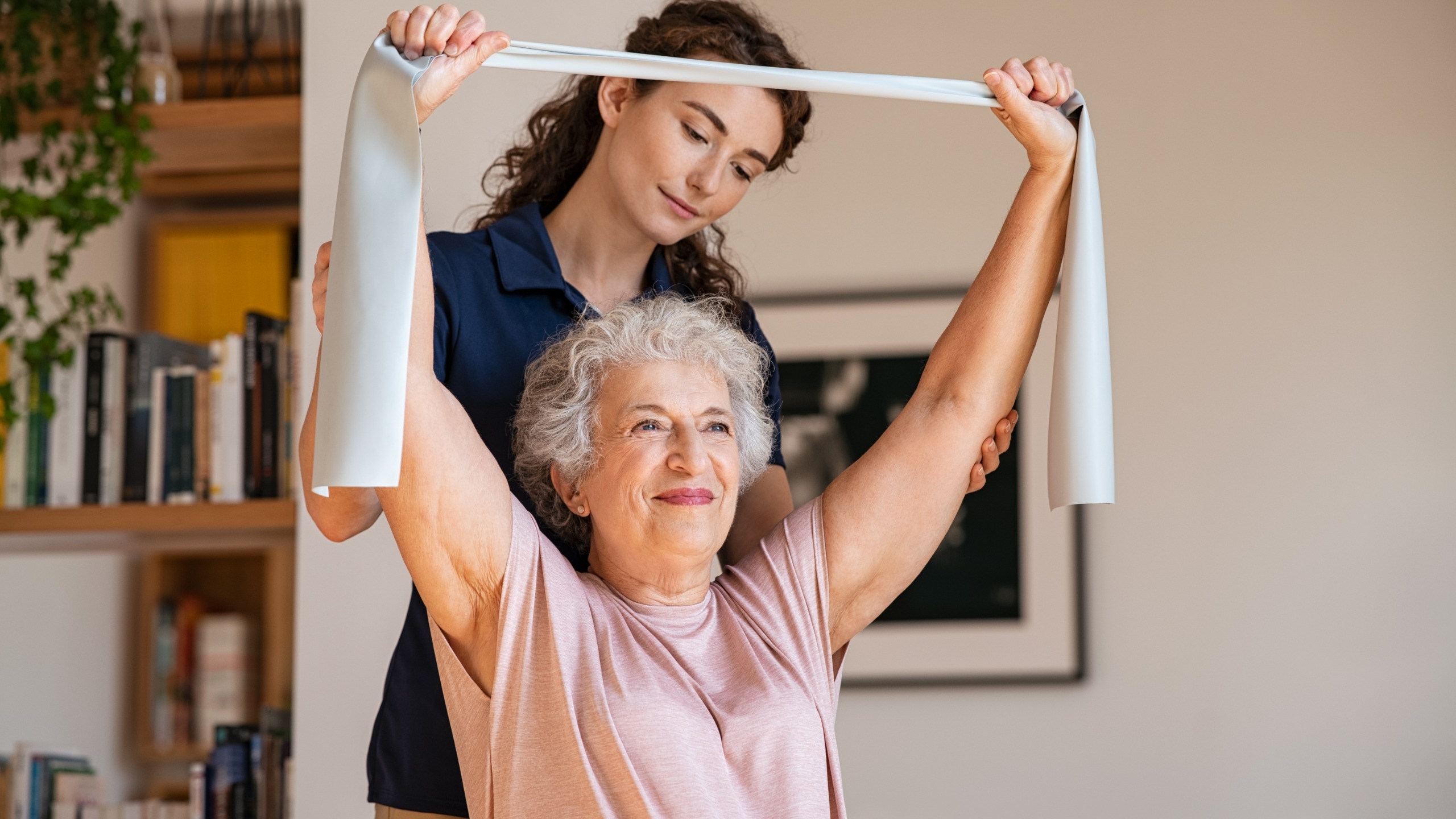
One of the primary benefits of in-home care is the facilitation of safe, consistent physical movement. Seniors often reduce their physical activity due to a fear of falling or a lack of motivation, which can lead to muscle atrophy and decreased mobility. Professional caregivers act as both safety nets and coaches, encouraging seniors to move their bodies in ways that are appropriate for their health status.

Caregivers can assist with physician-prescribed physical therapy exercises to ensure they’re done correctly and safely. Beyond formal exercise, they incorporate movement into daily routines. This might look like:

  • Going for short assisted walks around the neighborhood to get fresh air
  • Practicing gentle chair yoga or stretching to increase flexibility
  • Working on balance exercises to reduce fall risks
  • Assisting with light gardening or household tasks that require movement

By having companions present, seniors feel more confident in their ability to move, knowing help is right there if they lose their balance.

Cognitive Stimulation and Mental Engagement

Keeping the mind sharp is just as important as keeping the body moving. Isolation and a lack of mental challenges can accelerate cognitive decline, but in-home care providers are trained to keep their clients mentally engaged. They provide the social interaction and intellectual stimulation that might be missing if a senior lives alone.

Caregivers can tailor activities to the senior’s interests and cognitive abilities. For someone who loves words, a caregiver might engage the individual in daily crossword puzzles or Scrabble games. For those who enjoy history, they might read aloud from biographies or discuss current events. Other engaging activities include:

  • Looking through photo albums to spark memory and storytelling
  • Listening to music or singing favorite songs to boost mood and memory
  • Engaging in arts and crafts, such as painting or knitting
  • Cooking simple recipes together to follow steps and measure ingredients

These activities do more than pass the time. They provide a sense of purpose and achievement, which is vital for mental health.

Mental stimulation is especially important for seniors who are living with cognitive decline due to age-related conditions such as Alzheimer’s or dementia. If your senior loved one needs professional Oshkosh dementia care, caregivers are available around the clock to provide the high-quality care he or she needs. Our dementia caregivers can help your loved one stay mentally engaged and delay the progression of the disease.

Combating Loneliness through Companionship

Social isolation is a significant health risk for the elderly, often linked to higher rates of depression and heart disease. Family members cannot always be present due to work and personal obligations, leaving gaps where a senior might go days without meaningful conversation. In-home care addresses this directly by providing consistent, reliable companionship.

The relationship between a caregiver and a client often evolves into a genuine friendship. A caregiver provides a listening ear for stories about the past and a partner for daily activities. This consistent social connection helps seniors feel valued and connected to the world around them. Whether it’s sharing a cup of tea, watching a favorite TV show together, or simply having someone to say “Good morning” to, this human connection is a powerful tool for keeping spirits high and minds active.

For families living in Northeast Wisconsin, Oshkosh respite care can be a wonderful solution when their aging loved ones need companionship and socialization a few hours a week or just need minor assistance with daily household tasks. At Senior Stride Home Care, we thrive on helping seniors maintain their independence while living in the comfort of home.

Facilitating Social Outings and Community Connection

Staying active isn’t just about what happens inside the house. It’s also about remaining part of the community. Many seniors give up driving due to vision or reflex issues, which effectively traps them in their homes. This loss of independence can be devastating to their social lives.

In-home caregivers solve this logistical hurdle by providing safe transportation and accompaniment. They can drive seniors to:

  • Local senior centers for bingo or social mixers
  • Religious services or community group meetings
  • Lunch dates with friends or family members
  • Hair salon or barber appointments
  • Grocery stores or shopping malls

Having a caregiver to handle the driving and parking and to offer an arm for stability while walking removes the stress from these outings. This allows seniors to focus on the enjoyment of the activity rather than the anxiety of logistics, encouraging them to leave the house more frequently.

Nutritional Support for Sustained Energy

To stay active, the body needs proper fuel, but cooking nutritious meals can become a chore for older adults. Issues like arthritis can make chopping vegetables painful, and standing by a stove may be tiring. Consequently, many seniors resort to processed foods or skipping meals, which leads to low energy and poor health.

In-home care providers ensure seniors maintain a healthy diet that supports an active lifestyle. They can handle grocery shopping to ensure the fridge is stocked with fresh ingredients and prepare wholesome meals tailored to the senior’s dietary needs. Furthermore, the act of eating with companions often encourages seniors to eat better and more regularly than they would alone, providing the energy they need to participate in the activities they enjoy.

Not every senior has the same care needs, which means they don’t all need the same type of Oshkosh elderly home care. Families can rely on Senior Stride Home Care to provide individualized care plans to meet their elderly loved ones’ unique care needs. Our caregivers help seniors focus on healthy lifestyle habits such as eating nutritious foods, exercising regularly, and maintaining strong social ties, and we offer mentally stimulating activities that can boost cognitive health and delay the onset of dementia. To create a comprehensive in-home care plan for your loved one, call us today.

Related Posts

What Should You Do when a Loved One with Dementia Becomes Aggressive?

Caring for a senior loved one with dementia presents many challenges, and one of the most difficult is managing aggressive behavior. It’s important to remember this aggression is a symptom of the disease, not a reflection of your loved one’s true feelings. Understanding how to respond can de-escalate difficult situations and ensure everyone’s safety.

Identify the Trigger

Aggression in dementia is rarely random. It’s often a response to a specific trigger. The first step in managing this behavior is to play detective and figure out what might be causing the distress. Common triggers include:

  • Physical discomfort – Pain, hunger, thirst, needing to use the restroom, or feeling tired can all lead to frustration and aggression.
  • Environmental factors – A noisy, cluttered, or unfamiliar environment can be overstimulating and confusing. Too much activity or too many people can also be overwhelming.
  • Communication breakdown – People with dementia may have difficulty expressing their needs or understanding what others are saying. This can lead to feelings of frustration and helplessness.
  • Feeling threatened – Seniors with dementia may misinterpret situations, feeling like their personal space is being invaded or they’re being forced to do something they don’t want to do.

Caring for a loved one with dementia is a challenging task for anyone. The responsibilities can sometimes feel overwhelming, but help is available. Seniors can face a variety of age-related challenges. Though some families choose to take on the caregiving duties, there may come a time when they need a trusted Oshkosh senior home care provider. Families sometimes need respite from their duties so they can focus on their other responsibilities, and some seniors need around-the-clock assistance that their families are not able to provide. Senior Stride Home Care is here to help.

Stay Calm and Reassuring

Your reaction has a significant impact on the situation. If you respond with anger, fear, or frustration, it could escalate your loved one’s aggressive behavior. Instead, try to remain calm and collected. Speak in a slow, soft, and reassuring tone. Avoid raising your voice or making sudden movements. It may also be helpful to make eye contact and use nonthreatening body language, like keeping your hands visible and maintaining a respectful distance.

Validate and Redirect

Arguing or trying to reason with a person experiencing dementia-related aggression is usually counterproductive. Your loved one’s reality may be different from yours, and trying to correct him or her could increase the agitation. Instead, validate your loved one’s feelings. You can say something like “I can see you’re upset right now,” which shows you acknowledge your loved one’s emotional state.

After validating your loved one’s feelings, gently try to redirect his or her attention to a different activity or topic. You might suggest listening to music, looking at a photo album, or moving to a quieter room. The goal is to shift the focus away from the source of the frustration.

Caring for seniors with dementia can be challenging for family caregivers. Luckily, there is dementia care Oshkosh families can rely on. Professional dementia caregivers help seniors with dementia stay safe and comfortable at home by preventing wandering, providing cognitive stimulation, and assisting with household chores. 

Create a Safe Environment

Safety is the top priority for both you and your loved one. When aggression occurs, ensure the immediate environment is free of potential hazards. Remove any objects that could be used as a weapon, such as sharp utensils, heavy items, or breakable objects. If necessary, calmly and slowly create distance between yourself and your loved one to give him or her space. It’s also wise to have a plan in place for emergencies, including having phone numbers for doctors or emergency services readily available.

The cognitive challenges that accompany dementia often leave aging adults unable to manage everyday tasks, which puts their safety and health at risk. Certain age-related conditions can make it more challenging for older adults to age in place safely and comfortably, but experts who provide the high-quality live-in care Oshkosh seniors need are available around the clock to help aging adults manage their health. Whether your loved one is living with dementia or recovering from a stroke, you can trust the professional caregivers from Senior Stride Home Care to enhance his or her quality of life. To hire a professionally trained caregiver for your loved one, call us today. 

Related Posts

What Key Legal Duties Should Family Caregivers Understand?

Taking care of a senior loved one is a noble act, but it involves much more than emotional support and physical assistance. As a family caregiver, you must navigate a complex landscape of legal obligations to ensure you protect both yourself and your loved one. This overview outlines the essential legal duties you need to understand to manage this role effectively.

Establishing Power of Attorney

One of the most critical legal steps in caregiving is establishing authority through a power of attorney (POA). Without this legal document, you may find yourself unable to make necessary decisions or access essential resources for your family member.

A POA grants you the legal authority to act on your loved one’s behalf. There are generally two distinct types you need to consider

  • Medical power of attorney – This allows you to make healthcare decisions if your loved one becomes incapacitated and cannot speak for him or herself.
  • Financial power of attorney – This grants you the authority to manage financial affairs, such as paying bills, managing investments, and selling property.

It’s vital to have these documents drafted and signed while your loved one still has the mental capacity to consent. If you wait until cognitive decline sets in, you may have to go through the costly and time-consuming process of seeking court-appointed guardianship.

Making decisions for your loved one may include hiring a home caregiver to ensure your parent’s safety and comfort. Families looking for top-rated Oshkosh in-home care providers can reach out to Senior Stride Home Care. From respite care to specialized Alzheimer’s, dementia, stroke, and Parkinson’s care, there are many ways we can make life easier for seniors and their loved ones.

Managing Medical Decisions and Advocacy

Beyond power of attorney, caregivers have a responsibility to adhere to advanced directives. These are legal documents that explicitly state a person’s wishes regarding end-of-life care and medical interventions.

Your legal responsibility includes honoring a living will, which outlines preferences for life support, resuscitation (DNR orders), and organ donation. If your family member has specific wishes about avoiding aggressive medical treatment, you’re legally and ethically bound to advocate for those wishes with doctors and hospital staff.

Additionally, to legally access your family member’s medical records and discuss his or her condition with healthcare providers, you must ensure HIPAA (Health Insurance Portability and Accountability Act) release forms are signed. Without this authorization, doctors are legally prohibited from sharing private health information with you, even if you’re the primary caregiver.

Fiduciary Duties in Financial Management

When you take over the management of a loved one’s finances, you assume a fiduciary duty. This is a high legal standard that requires you to act solely in your loved one’s best interest.

Fiduciary responsibility means you must manage your loved one’s money with the utmost honesty and loyalty. You’re legally prohibited from using your loved one’s funds for your personal benefit. To avoid legal trouble or accusations of financial exploitation, follow these guidelines:

  • Keep finances separate – Never commingle your money with your loved one’s money. Open separate bank accounts for your loved one’s income and expenses.
  • Maintain meticulous records – Keep receipts for every purchase made on your loved one’s behalf. You should be able to account for every dollar spent.
  • Avoid self-dealing – Don’t “borrow” money from your loved one’s accounts or transfer assets to yourself, as this can be viewed as theft or elder abuse.

Duty of Care

Once you voluntarily accept the role of a caregiver, you legally assume a “duty of care.” This means you’re obligated to provide a reasonable standard of care to ensure your loved one’s safety and wellbeing.

Failure to meet this standard can result in legal liability for negligence. Negligence can occur if you fail to provide food, shelter, medical attention, or basic hygiene, resulting in harm. In severe cases, this is classified as elder abuse or neglect, which can lead to criminal charges.

If the level of care required exceeds your physical abilities or medical knowledge, your legal responsibility shifts to finding appropriate professional help. Ignoring a decline in health because you’re overwhelmed can be seen as a breach of your duty of care.

Caring for senior loved ones can be rewarding, but it can also be overwhelming for family caregivers who have other responsibilities they need to focus on. For Oshkosh families, the perfect solution is respite care. Families rely on our caregivers whenever they need time to rest, work, run errands, and even go on vacation. 

Personal Care Agreements

Many families make the mistake of keeping caregiving arrangements informal. However, creating a formal personal care agreement is a smart legal move, especially if money is changing hands.

A personal care agreement is a contract between the caregiver and the care recipient. It explicitly details:

  • The specific services to be provided (e.g., cooking, transportation, bathing)
  • The hours of work
  • The rate of compensation

This document is crucial for Medicaid planning. If a family member pays you for care without a contract, the government may view those payments as gifts rather than compensation for services. This could disqualify your loved one from Medicaid eligibility during the five-year look-back period. A valid contract legitimizes the expense and protects both parties.

Understanding these legal responsibilities is vital for your loved one and your family, and so is making sure your parent gets the high-quality care he or she deserves. Some seniors only require help with a few daily tasks so they can maintain their independence. However, those living with serious illnesses may need more extensive assistance. Luckily, there is professional live-in care Oshkosh seniors can rely on. Home can be a safer and more comfortable place for your loved one to live with the help of an expertly trained and dedicated around-the-clock caregiver. Call Senior Stride Home Care today to learn about our high-quality in-home care services.

Related Posts

How Can You Tell if Dementia Is Starting?

Recognizing the early warning signs of dementia can make a significant difference in getting timely medical care and planning for the future. While occasional forgetfulness is normal as we age, certain changes in memory, thinking, and behavior may indicate the onset of dementia.

Memory Loss that Disrupts Daily Life

One of the most common early signs of dementia is memory loss that goes beyond typical age-related forgetfulness. People may experience:

  • Forgetting recently learned information or important dates and events
  • Repeatedly asking for the same information
  • Increasing reliance on memory aids like notes or family members
  • Difficulty remembering names of familiar people or places
  • Getting lost in familiar locations

This type of memory loss typically affects short-term memory first, while long-term memories from decades ago may remain intact initially.

Aging in place can present a few unique challenges for older adults. Some only require part-time assistance with exercise or meal preparation, while others are living with serious illnesses and benefit more significantly from receiving live-in care provided by experienced Oshkosh professional caregivers. Senior Stride Home Care are leaders in the elderly in-home care industry for good reason. We tailor our care plans based on each senior’s individual needs, our caregivers continue to receive updated training in senior care as new developments arise, and we also offer comprehensive care for seniors with Alzheimer’s, dementia, and Parkinson’s.

Difficulty with Problem-Solving and Planning

Changes in the ability to develop and follow a plan or work with numbers can be early indicators of cognitive decline. These challenges may manifest as:

  • Trouble following familiar recipes or managing monthly bills
  • Difficulty concentrating and taking longer to complete tasks
  • Problems keeping track of monthly bills or managing finances
  • Challenges following directions or multistep instructions
  • Increased errors in judgment or decision-making

These issues often become noticeable when handling complex tasks that were previously manageable.

Dementia can affect the ability to perform daily chores independently, and you may need to hire a dedicated caregiver to help your loved one manage these tasks. If your senior loved one has been diagnosed with a serious condition and needs help with tasks like meal prep, transportation, medication reminders, bathing, and grooming, reach out to Senior Stride Home Care, a leading provider of homecare Oshkosh families can trust. We also offer comprehensive care for seniors with dementia, Alzheimer’s, and Parkinson’s.

Confusion with Time and Place

Dementia can cause people to lose track of dates, seasons, and the passage of time. Warning signs include:

  • Forgetting where they are or how they arrived there
  • Difficulty understanding something if it’s not happening immediately
  • Confusion about the current date, season, or year
  • Getting lost in familiar places
  • Trouble understanding the concept of time passing

People may also have difficulty determining whether something happened recently or long ago.

Changes in Language and Communication

Problems with words, both in speaking and writing, can signal early dementia. Individuals may experience:

  • Trouble following or joining conversations
  • Stopping mid-sentence and having no idea how to continue
  • Difficulty finding the right words or calling things by wrong names
  • Repeating themselves frequently in conversation
  • Problems with vocabulary, such as calling a watch a “hand clock”

These communication challenges often become more noticeable during social interactions or when trying to express complex thoughts.

Mood and Personality Changes

Shifts in mood, personality, or behavior can be subtle early signs of dementia. Common changes include:

  • Increased confusion, suspicion, depression, or anxiety
  • Becoming easily upset in familiar situations or with trusted people
  • Changes in sleeping or eating patterns
  • Loss of initiative or motivation for activities once enjoyed
  • Increased irritability or aggression in situations that wouldn’t have bothered them before

Family members and close friends are often the first to notice these personality shifts, which can occur before more obvious cognitive symptoms appear.

Aging in place can present a few challenges for seniors living with dementia. However, they can still live independently at home with the help of professional dementia care for older adults in Oshkosh. Families can rely on Senior Stride Home Care to provide their elderly loved ones with mental and social stimulation, timely medication reminders, assistance with meal prep, and much more. Our caregivers are available around the clock to help your loved one live a happier and healthier life. To learn about our quality-assured services, give us a call today. 

Related Posts

How Can You Encourage an Aging Loved One to Accept Home Care?

It can be challenging when a senior loved one needs more support than you can provide but resists the idea of in-home care. This conversation is often emotional, but with patience and the right approach, you can help your loved one see the benefits and accept the help he or she needs.

Find the Root of the Resistance

Before you can address your loved one’s concerns, you need to understand them. Resistance often stems from specific fears or misconceptions. Is your loved one worried about losing independence? Does your loved one fear having a stranger in the home? Is there concern about the cost?

Sit down together in a comfortable setting and ask open-ended questions to encourage your loved one to share his or her feelings. You could say something like “I’ve noticed you’re hesitant about getting some help at home. Can you tell me what’s on your mind?” Listen actively without interrupting, and validate your loved one’s feelings to show you respect his or her perspective.

Frame It as a Way to Maintain Independence

Many seniors fear accepting help is the first step toward losing their autonomy and eventually moving into a nursing home. It’s important to frame in-home care as a tool that can help your loved one maintain independence for longer.

Explain that a caregiver can assist with difficult tasks like housekeeping, meal preparation, or medication reminders, which will free up energy to focus on the activities your loved one enjoys. In-home care can make the home safer by reducing the risk of falls or other accidents, allowing your loved one to continue living where he or she is most comfortable.

Living independently is important for seniors who want to maintain a high quality of life. For some, this simply means receiving help with tasks that have become more challenging to manage over time. Even when families have the best intentions, they may not have the time to provide the care their elderly loved ones need and deserve. If your loved one needs help for a few hours a day or a few days a week, reach out to Senior Stride Home Care, a trusted provider of respite care Oshkosh seniors can depend on.

Involve Your Loved One in the Decision-Making Process

Giving your loved one a sense of control can significantly reduce resistance. Instead of presenting a final decision, involve your loved one in every step of the process.

Here are a few ways to do this:

  • Research together – Look at different home care agencies online and review their services.
  • Create a list of needs – Work together to identify the specific tasks where assistance would be most helpful.
  • Interview caregivers – Allow your loved one to be part of the interview process to choose a caregiver he or she feels comfortable with.

When they feel like active participants rather than passive recipients of care, seniors are more likely to be open to the idea.

Aging in place can present a few unique challenges for older adults. Some only require part-time assistance with exercise or meal preparation, while others are living with serious illnesses and benefit more significantly from receiving live-in care in Oshkosh. Senior Stride Home Care are leaders in the elderly in-home care industry for good reason. We tailor our care plans based on each senior’s individual needs, our caregivers continue to receive updated training in senior care as new developments arise, and we also offer comprehensive care for seniors with Alzheimer’s, dementia, and Parkinson’s.

Start Small and Be Patient

If your loved one is still hesitant, suggest starting with a trial period or with minimal assistance. For example, you could arrange for a caregiver to come for just a few hours a week to help with light housekeeping or provide companionship.

This gradual approach allows your loved one to build a relationship with the caregiver and experience the benefits firsthand without feeling overwhelmed. Over time, as your loved one becomes more comfortable, you can gradually increase the level of care as needed. Remember this is a significant change, and patience is key to a successful transition.

The type of home care Oshkosh seniors need can vary. Some need assistance a few hours a day, while others require more extensive around-the-clock assistance. At Senior Stride Home Care, we tailor our care plans based on each senior’s individual care needs, and the plans can be adjusted at any time. We are a trusted provider of respite and 24-hour care, and we also offer specialized Alzheimer’s, dementia, Parkinson’s, and stroke care for seniors. If you need professional home care for your loved one, our Care Managers are just a phone call away. Reach out to Senior Stride Home Care today.

Related Posts

How Can Families Manage the Challenges of Long-Distance Dementia Care?

When a senior loved one with dementia lives far away, caregiving becomes exponentially more complex. The distance can create unique obstacles that require creative solutions and careful coordination to ensure high-quality care.

Monitoring Daily Activities and Safety

One of the most significant challenges in long-distance dementia care involves keeping track of your loved one’s daily routines and safety. Without being physically present, it becomes difficult to assess whether your loved one is eating regularly, taking medications correctly, or maintaining basic hygiene.

Key monitoring concerns include:

  • Medication organization – Ensuring pills are taken at the right times and in correct dosages
  • Home safety – Identifying potential hazards like unlocked doors, gas stoves left on, or water taps running
  • Personal hygiene – Recognizing when assistance with bathing, grooming, or clothing changes is needed
  • Nutrition – Monitoring whether meals are being prepared and consumed regularly

Technology solutions like medication dispensers with alarms, smart home sensors, and video calling can bridge some gaps, but they cannot replace the reassurance of in-person observation.

Caring for seniors with dementia can be challenging for family caregivers. Luckily, there is dementia care Oshkosh families need and deserve. Professional dementia caregivers help seniors with dementia stay safe and comfortable at home by preventing wandering, providing cognitive stimulation, and assisting with household chores. 

Coordinating Care from Afar

Managing a care team while living in another city or state presents logistical nightmares. Communication among different providers often becomes fragmented, leading to gaps in care or duplicated services.

Challenges frequently include:

  • Finding reliable local resources such as home caregivers, adult day programs, or specialized dementia care facilities
  • Scheduling and rescheduling appointments with doctors, therapists, and other healthcare professionals
  • Ensuring continuity of care when providers change or services are interrupted
  • Managing insurance claims and medical bills without being able to attend appointments or meetings

Establishing strong relationships with a local care coordinator or geriatric care manager can streamline these processes, though this adds another layer of cost and complexity.

The type of home care service Oshkosh seniors need can vary. Some need assistance a few hours a day, while others require more extensive around-the-clock assistance. At Senior Stride Home Care, we tailor our care plans based on each senior’s individual care needs, and the plans can be adjusted at any time.

Managing Medical Emergencies

When emergencies occur, the distance becomes most acutely felt. Hospital visits, falls, or sudden changes in cognitive function require immediate response and decision-making that becomes challenging when you’re hundreds of miles away.

Emergency situations often involve:

  • Making critical medical decisions without being able to assess the situation firsthand
  • Traveling unexpectedly for crisis management, which may impact work and family obligations
  • Communicating with medical staff who may not understand your loved one’s baseline cognitive abilities
  • Arranging temporary or permanent care changes on short notice

Having emergency contacts, medical directives, and power of attorney documents readily accessible becomes essential for managing these situations effectively.

Financial and Legal Complexities

Long-distance dementia care often involves navigating complex financial and legal matters without the ability to handle paperwork in person. As cognitive decline progresses, your loved one may become vulnerable to financial exploitation or unable to manage his or her affairs independently.

Common financial and legal challenges include:

  • Managing banking and bill payments when cognitive abilities decline
  • Protecting against financial scams targeting seniors with dementia
  • Updating legal documents like wills, healthcare directives, and power of attorney forms
  • Coordinating with financial advisors and attorneys in another location
  • Budgeting for unexpected care costs that may arise suddenly

Remote financial management tools and trusted local advisors become crucial, but establishing these relationships and safeguards requires significant up-front investment of time and resources.

Emotional Toll and Guilt

The emotional burden of long-distance caregiving often weighs heavily on family members. Guilt about not being physically present during difficult moments, worry about the quality of care, and stress from constant coordination efforts can take a significant toll.

The emotional challenges frequently manifest as:

  • Persistent worry about your loved one’s wellbeing and safety
  • Guilt over life choices that led to living far apart
  • Stress from constant crisis management and decision-making responsibilities
  • Strain on local relationships due to frequent travel or distraction
  • Difficulty maintaining work-life balance when emergencies arise

Building a strong support network, both locally and in your loved one’s area, becomes essential for managing these emotional challenges while ensuring high-quality care continues.

Certain age-related conditions can make it more challenging for older adults to age in place safely and comfortably, but experts who provide the high-quality live-in care Oshkosh seniors need are available around the clock to help aging adults manage their health. Whether your loved one is living with dementia or recovering from a stroke, you can trust the professional caregivers from Senior Stride Home Care to enhance his or her quality of life. To create a comprehensive in-home care plan for your loved one, give us a call today. 

Related Posts

How Can You Safely Add Exercise to a Care Plan for an Older Adult?

Regular physical activity becomes increasingly important as we age, yet many senior care plans overlook this crucial component of healthy aging. Exercise offers numerous benefits for older adults, from maintaining bone density and muscle strength to boosting cognitive function and emotional wellbeing. Creating an effective exercise program for a senior loved one requires careful consideration of individual abilities, health conditions, and safety precautions.

Assess Individual Health and Mobility Levels

Before introducing any exercise program, conduct a thorough assessment of your loved one’s current health status and physical capabilities. This evaluation should include:

  • Medical history review – Identify existing conditions like arthritis, heart disease, or diabetes that may affect exercise choices.
  • Mobility testing – Assess balance, flexibility, and range of motion to determine appropriate activity levels.
  • Cognitive evaluation – Consider memory and comprehension abilities when designing exercise routines.
  • Medication review – Understand how current medications might impact energy levels or physical performance.

Work closely with healthcare providers to ensure any exercise plan aligns with medical recommendations and doesn’t interfere with treatment protocols.

Choose Age-Appropriate Exercise Types

Senior-friendly exercises should focus on maintaining functionality while minimizing injury risk. The most effective programs typically include four key components:

Cardiovascular activities

  • Walking programs (indoor or outdoor)
  • Chair-based aerobics
  • Swimming or water aerobics
  • Stationary cycling

Strength training

  • Resistance bands exercises
  • Light weight lifting
  • Bodyweight exercises like wall push-ups
  • Functional movements such as sit-to-stand exercises

Flexibility and balance

  • Gentle stretching routines
  • Tai chi or modified yoga
  • Balance exercises using chairs or rails
  • Range of motion activities

Start with low-intensity activities and gradually increase duration and complexity based on progress and comfort levels.

Create Safe Exercise Environments

Safety should be the top priority when designing exercise spaces and programs for seniors. Essential safety measures include:

  • Clear pathways – Remove tripping hazards and ensure adequate lighting.
  • Supportive equipment – Provide sturdy chairs, handrails, and nonslip mats.
  • Emergency protocols – Keep first aid supplies accessible and staff trained in emergency response.
  • Proper supervision – Maintain appropriate staff-to-participant ratios during activities.
  • Hydration stations – Ensure water is readily available throughout exercise sessions.

Consider the unique needs of seniors with mobility aids like walkers or wheelchairs when setting up exercise areas.

Oshkosh home care experts are available to provide high-quality care to seniors on an as-needed basis. From assistance with mobility and exercise to providing transportation to the doctor’s office and social events, there are a variety of ways professional caregivers can help your aging loved one continue to live independently.

Develop Structured Weekly Schedules

Consistency is key to successful senior exercise programs. Create weekly schedules that balance different types of activities while allowing for rest and recovery:

Sample weekly structure:

  • Monday/Wednesday/Friday – 30-minute cardio sessions
  • Tuesday/Thursday – Strength training (20–30 minutes)
  • Daily – 10–15 minutes of flexibility exercises
  • Weekends – Social activities like group walks or dance sessions

Allow flexibility in scheduling to accommodate medical appointments, varying energy levels, and personal preferences. Some seniors may prefer morning activities, while others perform better in the afternoon.

Seniors who experience sundowning due to dementia are likely to benefit most from exercising in the morning. Caring for seniors with dementia can be challenging for family caregivers. Luckily, there is dementia care Oshkosh families can rely on. Professional dementia caregivers help seniors with dementia stay safe and comfortable at home by preventing wandering, providing cognitive stimulation, and assisting with household chores. 

Monitor Progress and Adapt Programs

Regular evaluation ensures exercise programs remain effective and safe as your loved one’s needs change over time. Track progress through:

  • Functional assessments – Monitor advances in daily activities like climbing stairs or carrying groceries.
  • Health metrics – Record changes in blood pressure, heart rate, and medication needs (with medical supervision).
  • Participant feedback – Gather input on enjoyment levels, perceived difficulty, and preference changes.
  • Attendance tracking – Identify patterns that might indicate program adjustments are needed.

Be prepared to modify exercises as health conditions evolve or new limitations arise. The goal is maintaining long-term engagement while preserving safety and enjoyment.

Aging adults who need help following exercise programs should consider professional home care services. If your elderly loved one needs Oshkosh live-in care, turn to Senior Stride Home Care. Our caregivers encourage seniors to focus on eating nutritious foods, exercising on a regular basis, maintaining strong social ties, and other lifestyle factors known to increase longevity. To create a customized in-home care plan for your loved one, call us today.

Related Posts

What Self-Care Strategies Can Help Dementia Caregivers Avoid Burnout?

Caring for a senior loved one with dementia can be emotionally and physically exhausting, often leaving caregivers feeling overwhelmed and burnt out. While your focus naturally centers on providing the best care possible, neglecting your own wellbeing can ultimately harm both you and your loved one. Implementing effective self-care strategies is essential for maintaining your health and sustaining your ability to provide high-quality care.

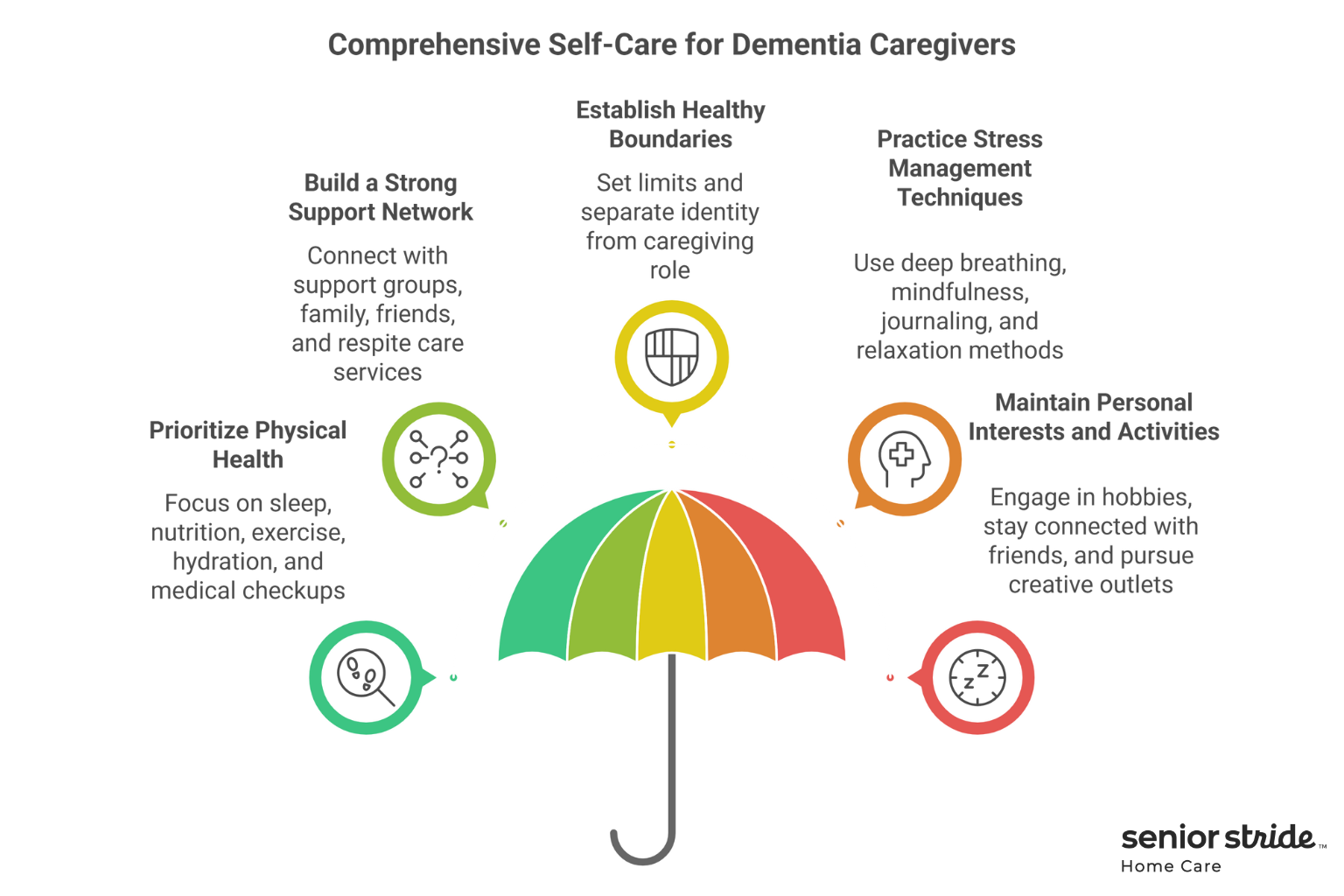
Prioritize Your Physical Health

Your physical wellbeing forms the foundation of effective caregiving. When you’re physically depleted, every aspect of care becomes more challenging.

  • Maintain a regular sleep schedule by going to bed and waking up at consistent times, even if your loved one’s sleep patterns are disrupted.
  • Eat nutritious meals at regular intervals rather than relying on quick snacks or skipping meals entirely.
  • Exercise regularly, even if it’s just a 10-minute walk around the block or stretching exercises at home.
  • Stay hydrated by keeping a water bottle nearby and setting reminders to drink throughout the day.
  • Schedule regular medical checkups for yourself to monitor your health and address any concerns early.

Caring for senior loved ones can be challenging for families who don’t have expertise or professional training in home care, but this challenge doesn’t have to be faced alone. Family caregivers can turn to Senior Stride Home Care for the help they need. We provide high-quality in-home care as well as comprehensive Alzheimer’s, dementia, stroke, and Parkinson’s care.

What Self-Care Strategies Can Help Dementia Caregivers Avoid Burnout

Build a Strong Support Network

Isolation is common among dementia caregivers, but maintaining connections with others is crucial for your mental health and practical support needs.

  • Join caregiver support groups either in person or online to connect with others who understand your challenges.
  • Reach out to family and friends regularly, even if it’s just a quick phone call or text message.
  • Accept help when offered and don’t hesitate to ask for specific assistance with tasks like grocery shopping or sitting with your loved one.
  • Connect with respite care services in your community to provide temporary relief.
  • Consider professional counseling to help you process the complex emotions that come with caregiving.

Families looking for top-rated Oshkosh elder care providers can reach out to Senior Stride Home Care. From respite care to specialized Alzheimer’s, dementia, stroke, and Parkinson’s care, there are many ways we can make life easier for seniors and their loved ones.

Establish Healthy Boundaries

Setting limits protects both your wellbeing and your relationship with your loved one.

  • Recognize your limitations and avoid taking on more than you can reasonably handle.
  • Set realistic expectations for yourself and understand you can’t control the progression of dementia.
  • Create designated “off-duty” time when possible, even if it’s just 30 minutes to enjoy a cup of tea.
  • Learn to say no to additional responsibilities that aren’t essential.
  • Separate your identity from your role as a caregiver by maintaining interests and relationships outside of caregiving.

Practice Stress Management Techniques

Daily stress management can prevent burnout and help you respond more calmly to challenging situations.

  • Try deep breathing exercises when you feel overwhelmed or frustrated.
  • Practice mindfulness or meditation for just 5–10 minutes daily to center yourself.
  • Keep a journal to process your thoughts and emotions about your caregiving experience.
  • Listen to calming music or nature sounds to create peaceful moments throughout your day.
  • Use progressive muscle relaxation techniques to release physical tension.

Maintain Personal Interests and Activities

Preserving aspects of your pre-caregiving life helps you maintain your sense of self and provides necessary mental breaks.

  • Schedule regular time for hobbies or activities you enjoy, even in modified forms.
  • Stay connected with friends through phone calls, video chats, or brief visits.
  • Read books, watch movies, or listen to podcasts that interest you during quiet moments.
  • Pursue creative outlets like drawing, crafting, or writing to express yourself.
  • Plan small outings or special treats for yourself when respite care is available.

Remember taking care of yourself is an essential part of providing high-quality care for your loved one. By implementing these strategies consistently, you’ll be better equipped to handle the challenges of dementia caregiving while preserving your own health and wellbeing.

Caring for seniors with dementia can be challenging for family caregivers. Luckily, there is dementia care Oshkosh families can rely on. Professional dementia caregivers help seniors with dementia stay safe and comfortable at home by preventing wandering, providing cognitive stimulation, and assisting with household chores. Senior Stride Home Care will work with you to tailor a care plan that’s just right for your loved one’s needs. Call one of our friendly Care Managers today to learn more about our customized care plans.

Related Posts

How Can Aging Adults & Caregivers Stay Prepared for Emergencies?

Natural disasters, power outages, and medical emergencies can strike without warning, making preparation crucial for seniors and their caregivers. Older adults face unique challenges during emergencies, including mobility limitations, chronic health conditions, and medication dependencies. Having a comprehensive emergency plan can mean the difference between safety and serious complications when disaster strikes.

Create a Comprehensive Emergency Kit

Building an emergency kit specifically tailored to seniors requires more than basic supplies. Start with the essentials and expand based on individual needs:

Basic emergency supplies:

  • Nonperishable food for at least 3 days (including special dietary items)
  • One gallon of water per person per day for 3 days
  • Battery-powered or hand-crank radio
  • Flashlights and extra batteries
  • First aid kit and basic medical supplies
  • Blankets and warm clothing

Senior-specific additions:

  • Extra eyeglasses or contact lenses
  • Hearing aid batteries
  • Medical equipment like oxygen tanks, wheelchairs, or walkers
  • Incontinence supplies if needed
  • Important documents in waterproof containers

Store supplies in easily accessible locations and check expiration dates regularly. Consider keeping smaller emergency kits in the car and at frequently visited locations.

A professional caregiver can help you put together a complete emergency kit for your loved one. Though you may be researching multiple agencies that provide at-home care, Senior Stride Home Care has much to offer your family and your elderly loved one. We are leaders in the senior home care industry, offering hourly and around-the-clock assistance from reliable, experienced caregivers. Trust Senior Stride Home Care to help your loved one enjoy a happier and healthier life in the golden years.

Maintain a Current Medication Plan

Medication organization becomes critical during emergencies when pharmacies may be closed or inaccessible. Work with healthcare providers to develop a comprehensive medication strategy:

  • Keep at least a 7-day supply of all prescription medications.
  • Store medications in original containers with clear labels.
  • Create a detailed medication list including dosages, prescribing doctors, and pharmacy information.
  • Include over-the-counter medications and vitamins in your inventory.
  • Rotate medication supplies to prevent expiration.
  • Consider asking your loved one’s doctor about emergency prescriptions for extended supplies.

Keep medication lists updated and store copies in multiple locations, including with trusted family members or caregivers. Some medications require refrigeration, so plan for power outages with coolers and ice packs.

Develop a Communication Network

Establishing reliable communication channels ensures help can reach seniors quickly during emergencies. Build a network that includes multiple contact methods and people:

Essential contacts:

  • Primary emergency contact (family member or close friend)
  • Local emergency services and non-emergency numbers
  • Healthcare providers and specialists
  • Pharmacy contact information
  • Utility companies
  • Insurance companies

Program important numbers into cell phones and keep written copies in wallets and emergency kits. Designate an out-of-state contact person who can coordinate information if local phone lines are overwhelmed. Consider investing in a medical alert system that provides 24/7 monitoring and emergency response.

If you have the help of a professional caregiver, make sure he or she has a copy of your emergency plan and contact list. Oshkosh senior care professionals can be a wonderful boon to seniors. Whether they require around-the-clock supervision or just need assistance with exercise and household tasks a few days a week, seniors can enjoy a higher quality of life with the help of trusted in-home caregivers.

Plan for Special Health Needs

Seniors with chronic conditions, mobility issues, or cognitive impairments need customized emergency preparations. Address specific health challenges before emergencies occur:

For mobility limitations:

  • Identify evacuation routes accessible by wheelchair or walker.
  • Arrange transportation with family, friends, or local emergency services.
  • Keep mobility aids in good working condition with backup options available.

For chronic conditions:

  • Work with doctors to create emergency medical plans.
  • Understand how conditions may worsen during stressful situations.
  • Prepare additional supplies for conditions like diabetes, heart disease, or respiratory issues.

For cognitive impairments:

  • Create simple visual emergency instruction cards.
  • Ensure identification includes emergency contacts and medical information.
  • Consider GPS tracking devices for those who may wander.
  • Practice emergency procedures regularly to build familiarity.

Know Your Local Resources

Communities offer various emergency services and resources specifically designed to help seniors. Research and register for these services before emergencies occur:

  • Contact your local emergency management office about senior emergency programs.
  • Register with utility companies for priority restoration if you have medical equipment that requires electricity.
  • Learn about local evacuation shelters and their accessibility features.
  • Connect with senior centers that may offer emergency assistance.
  • Investigate transportation services for seniors during evacuations.
  • Find out about emergency food and supply distribution locations.

Many communities maintain registries of residents who may need extra help during emergencies. Registering provides emergency responders with important information about location and special needs.

If you’re concerned about ensuring your loved one’s safety in case of an emergency, consider hiring a professional caregiver. Some seniors only require help with a few daily tasks so they can maintain their independence. However, those living with serious illnesses may need more extensive assistance. Luckily, there is professional live-in care Oshkosh, WI, seniors can rely on. Home can be a safer and more comfortable place for your loved one to live with the help of an expertly trained and dedicated around-the-clock caregiver. Senior Stride Home Care will work with you to tailor a care plan that’s just right for your loved one’s needs. Call one of our friendly Care Managers today to learn more about our customized care plans.

Related Posts